

Start with how you actually cook, not the gadget trend
Most kitchens collect tools because they look clever or promise a shortcut. The better route is to watch your own habits for a week: what meals you make, which prep tasks repeat, and where you waste time or create mess. "Choose kitchen gadgets" by mapping those real tasks to single-purpose items only when they save time, reduce friction, or improve results noticeably.
Decide what matters: function, cleaning, storage, or fun
Four attributes determine whether a gadget will live on the counter or in a drawer.
- Function: Does it solve a recurring problem? A tool that shortens a task you do daily (peeling, slicing, juicing) is more valuable than one for occasional dishes.
- Cleaning effort: If it has many crevices, tiny parts, or is hand-wash-only, you'll use it less. Dishwasher-safe and simple designs win for regular use.
- Storage footprint: Consider volume, not just footprint. Tall, awkward shapes often languish because they're inconvenient to grab.
- Durability and quality: Cheap moving parts or thin plastics fail fast. Metal or robust silicone is usually worth the higher initial cost.
Practical categories to evaluate and what to pick from each
Organize choices by the job they do rather than by product type. Below are common kitchen tasks with the traits that make a gadget genuinely useful.
Everyday prep: peel, slice, grate
If you frequently peel vegetables or grate cheese, pick tools that are quick, safe, and easy to wash. A good peeler and a box grater or coarse microplane will be used often; novelty spiralizers or single-purpose peelers may not.
When to buy: your prep time is dominated by a single repetitive action for most meals.
Small tasks that save minutes: garlic, avocado, citrus
Small gadgets can pay off when they make a fiddly job far faster and cleaner. A sturdy garlic press that’s dishwasher-safe or a single-piece avocado knife with a pitter can move from occasional to everyday use if they eliminate tedious steps.
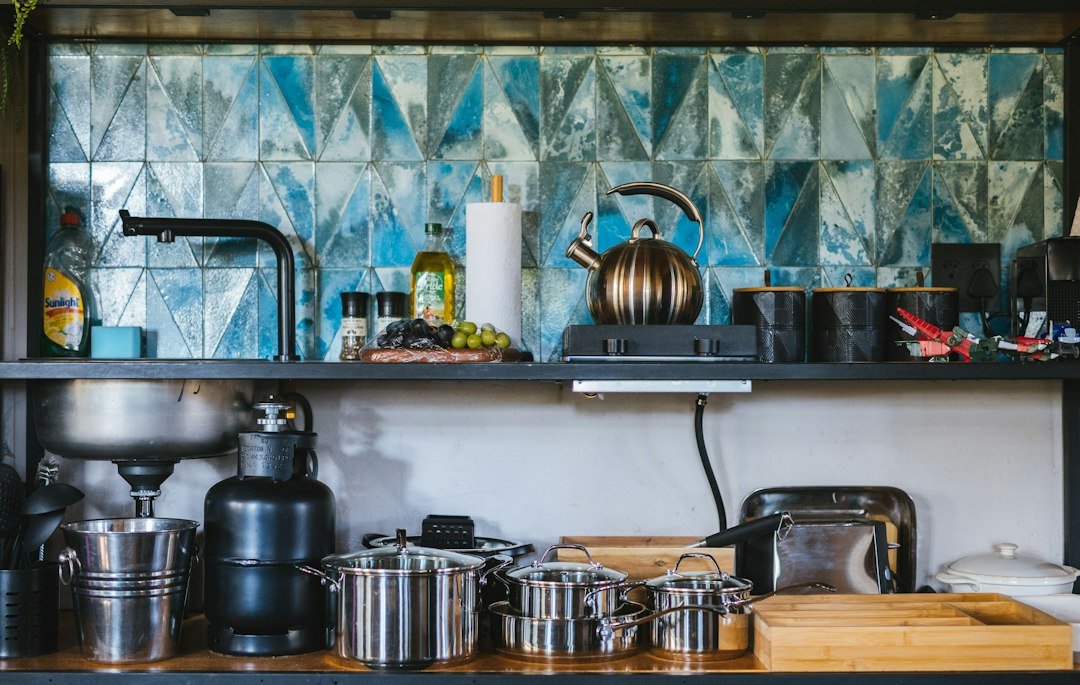
Product option: for a simple, often-used tool, consider a stainless steel garlic press that’s easy to clean and solid in the hand.
Portioning and shaping: meatballs, onigiri, cookie cutters
If you regularly make foods that need uniform size—meatballs, rice balls, cookies—a compact mold or cutter speeds the process and gives consistent results. These are useful when you cook for meal prep, kids, or entertaining.
Single-task novelty vs. multipurpose tools
Ask whether the tool can do more than one job. A good kitchen shear, for example, trims herbs, cuts pizza, and opens packaging; a dedicated avocado slicer may only be used when you buy avocados frequently.
Test the trade-offs before you buy
Run a quick checklist in your head—and on your phone—before adding anything to your cart.
- How often will I use it? (Daily, weekly, monthly)
- Will it replace another tool? If so, is it better enough to justify the change?
- Is it easy to clean? Dishwasher-safe is often worth priority.
- Will it fit where I’ll store it and be easy to reach?
- If it breaks, can I repair or recycle it, or will I just replace it?
When a gadget is worth counter space
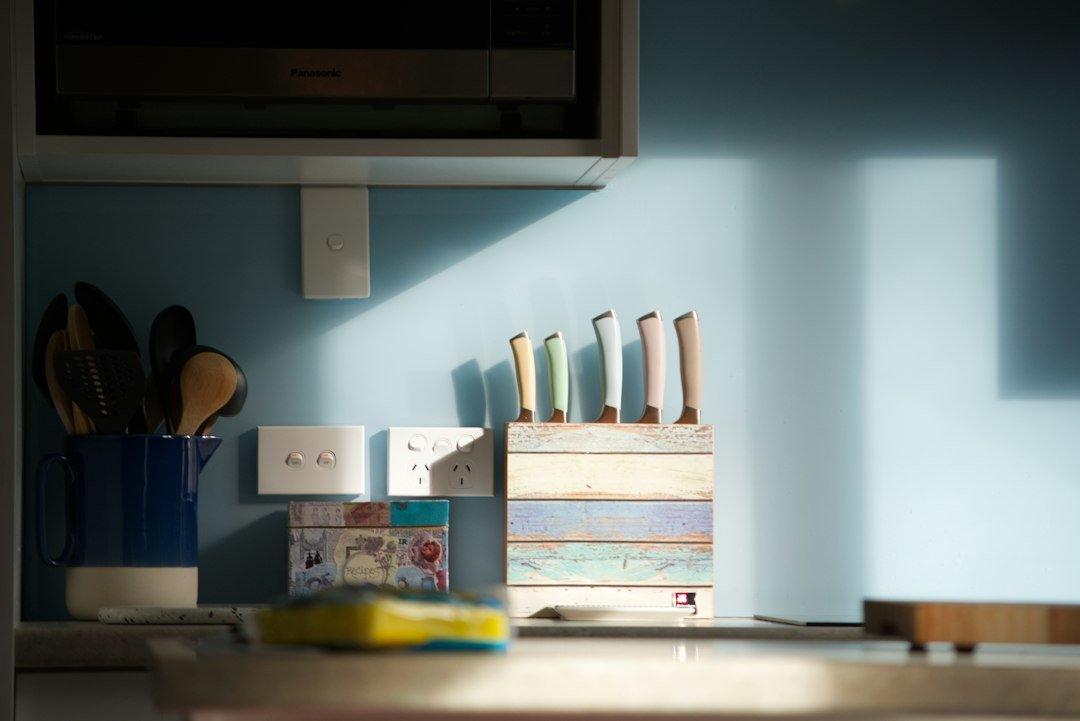
Reserve visible counter or drawer room for tools you reach for without thinking. Items that shave time from daily tasks or improve safety fit this category: a reliable peeler, a good set of tongs, a sturdy spatula, or a silicone splash guard that keeps counters dry.
Budgeting and quality—where to spend more
Spend more on items with moving parts, blades, or heavy use: quality knives, heavy-duty graters, and sturdy presses. Save on single-use plastic gadgets and novelty items. A mid-range price for a well-reviewed, simple design often beats a cheap gadget that fails quickly.
Storage and placement strategies to increase use
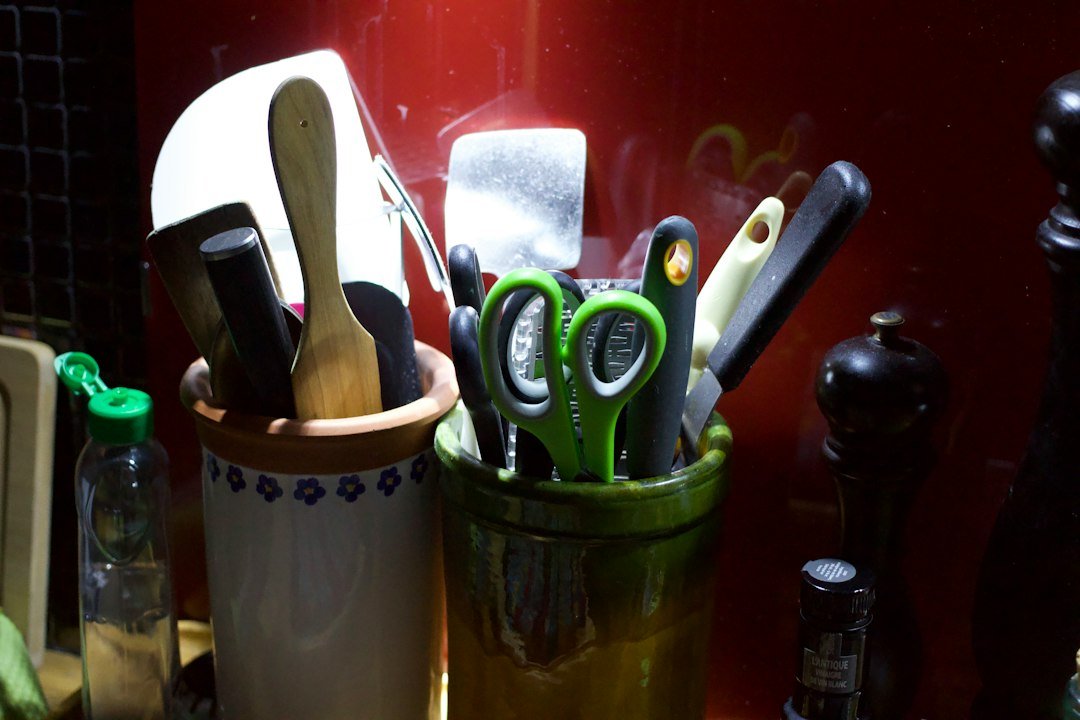
How you store a gadget affects whether you’ll reach for it. Keep frequently used items visible in a utensil jar or at the front of a drawer with a divider. Less-used specialty tools can be stacked in labeled bins. If something must be assembled to use, consider storing the assembled state if safe.
Buying timeline: try before you commit
When practical, test the idea with a cheap or borrowed version. Borrow a spiralizer from a friend before buying one if you’re not sure you’ll use it. For small inexpensive gadgets that meet a clear need, buy the best model you can reasonably afford.
Final decision: make one sensible buy now
Pick one gadget that solves a task you do at least weekly, is dishwasher-safe or very simple to clean, and fits your storage. That single, well-chosen tool will deliver more value than several trendy gadgets that sit unused.
- Identify the recurring task this gadget will speed up.
- Confirm it’s easy to clean—dishwasher-safe if possible.
- Check storage size and where you’ll keep it for easy access.
- Prefer durable materials for moving parts or blades.
- Test with a loaned or inexpensive model if unsure.
Choose kitchen gadgets that match real, repeated needs, are simple to clean and store, and replace or consolidate existing tools. Buy one high-impact item first rather than multiple novelty pieces.
How many gadgets should I keep on my counter?
Aim for 3–5 essential items you use weekly—utensils, a peeler, tongs—so the counter stays functional, not cluttered.
Are single-purpose gadgets ever worth it?
Yes—if they remove a persistent friction point and are used frequently; otherwise a multipurpose tool usually wins.
What’s the best way to test a gadget before buying?
Borrow from friends, try a low-cost model, or watch a detailed hands-on review to judge cleaning and setup effort.
How should I organize a drawer to make gadgets accessible?
Use dividers or small bins to group tools by task, place the most used items at the front, and store odd-shaped pieces on their side to save space.