

Answer first: small, strategic changes beat more to-do items
Simplify your routine by replacing friction points—those tiny repeated hassles that add minutes and decision fatigue—with one focused tool or habit. Below are 15 smart finds and adjustments that remove small daily obstacles so you have fewer choices, faster outcomes, and not necessarily more stuff.
How to read this list
Each item below targets a specific friction point (leaving home, mornings, meals, chores, self-care, or errands). Where a product helps, I explain the use case and when to skip it. The goal is simplification, not accumulation.
Create a faster departure with an entryway launchpad
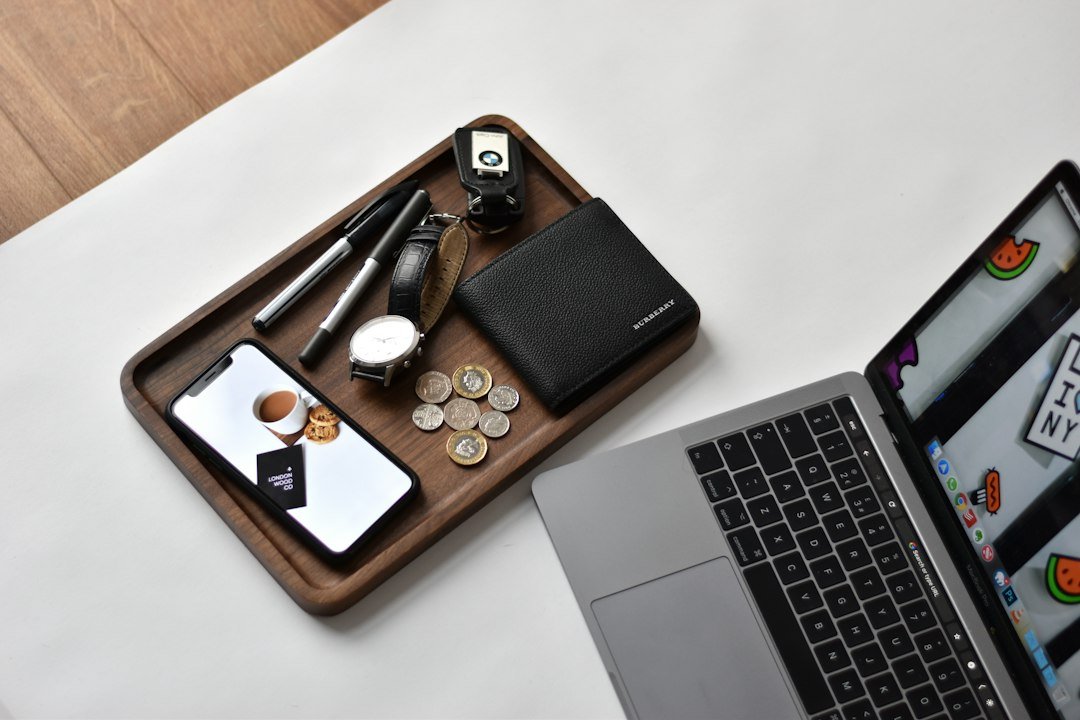
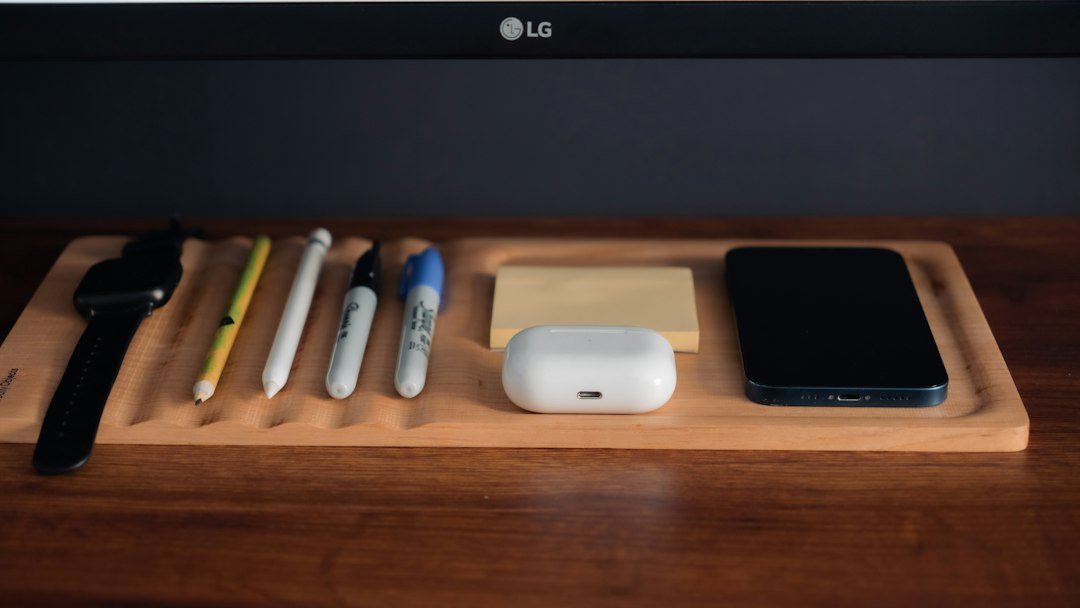
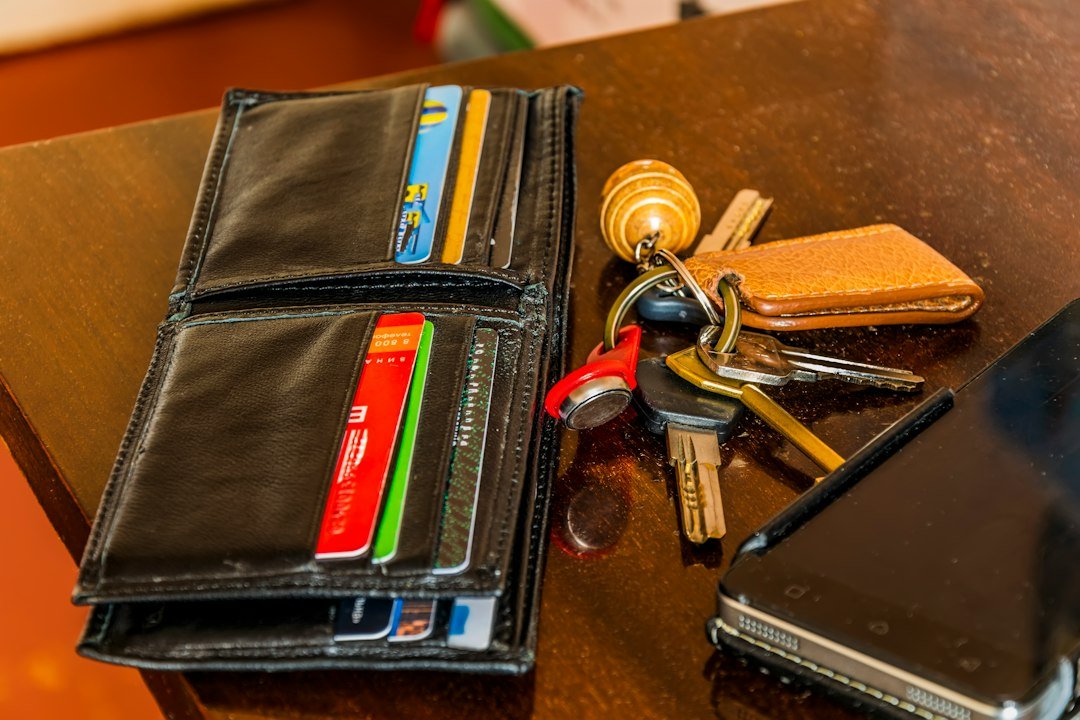
Set a dedicated tray or shallow bin by the door for keys, wallet, phone, and transit cards. Collect everything in one place each evening so mornings start with a single grab. This removes the repeated five-minute search cycle that multiplies across a week.
Batch small decisions with a weekly outfit rack
Pick and hang your outfits for the week or at least the workweek. Use a single hanging rack or a labeled shelf. You’ll skip morning wardrobe choice paralysis and reduce laundry surprises (you’ll notice missing items earlier).
Make mornings automatic with a night-before charging station
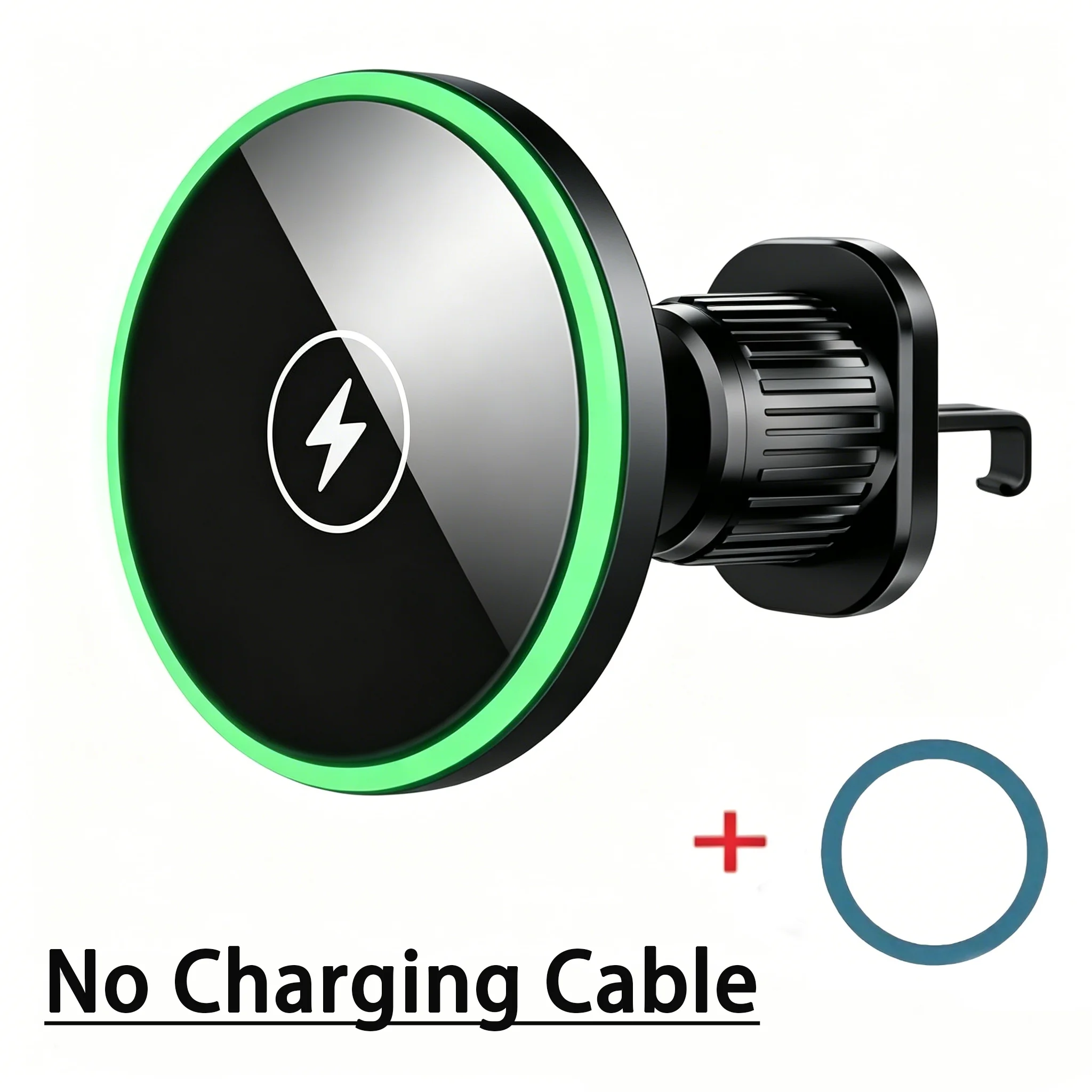
Keep a wireless charger or plainly visible docking spot on your nightstand for phone, earbuds, and watch. Charge and place clothes there the night before to streamline the first 10 minutes of your day.
Cut breakfast friction: simple, repeatable options
Choose two fast go-to breakfasts (smoothie kit, overnight oats, or pre-portioned cereal) and keep ingredients in clear containers. Simplicity wins—rotate between two reliable breakfasts rather than reinventing daily.
Save evening minutes with meal prep containers
Spend 60–90 minutes on one evening to chop, batch-cook, or portion proteins and grains. Stored in stackable containers in the fridge, these reduce decision and cooking time on busy nights. Label lids with dates to avoid food waste.
Spend less time on dishes with a compact dish rack and drying plan
Designate a small dish rack and a "wash-now" window: if it fits on the rack, wash it immediately; if not, it goes into a single collection bin to wash later. This prevents scattered rinsed dishes from multiplying and makes the chore predictable.
Use one versatile gadget: a smart plug to automate small tasks
Plug lamps, coffee makers, or fans into a smart plug and schedule them. Start the coffee maker from bed or have lights fade on a schedule to eliminate manual switches. A single plug can convert an ordinary device into an automated helper.
Contain laundry clutter with a rolling hamper
A lightweight rolling hamper keeps clothes contained and mobile. Wheel it to the laundry room when full instead of hauling baskets. If space is tight, use a two-compartment hamper (wash/dry) to pre-sort as you go.
Keep toiletries grab-ready with a shower caddy and labeled bottles
Refillable, labeled pump bottles in the shower reduce time spent finding the right product. Keep backups in a single drawer so replacements are quick and you avoid mid-shower product shortages.
Set a daily 10-minute reset ritual
End your day with a focused 10-minute sweep: clear counters, stack stray items in the entry tray, and prep one meal component (rice, salad greens). Short, consistent resets prevent small tasks from ballooning into weekend chores.
Smart lists: the 3-item rule for errands
Limit errands to three meaningful items per trip. Group by geography and urgency. Fewer short trips save time and mental overhead; if more is needed, schedule a weekly longer outing.
Store things where you use them; front-load frequently used items
Move daily-use items to eye-level or the most accessible place: coffee mugs near the coffee maker, phone charger by your primary chair. Accessibility beats perfection in organization—if you use it every day, make it a one-step reach.
Adopt a single inbox for household papers
Use one shallow tray for incoming mail and papers. Process it twice weekly: recycle junk, file important papers, and add bills to a pay-now folder. A single visible location reduces paper creep and the open-mail pile.
Minimize choices with "two-option" meal rotation
Maintain two dinner themes per week (e.g., pasta and sheet-pan). Swap proteins, vegetables, and sauces to keep variety without reinvention. This saves grocery-list time and mental energy when deciding at 5 p.m.
Simplify tech with one remote and a universal controller
Replace multiple remotes with a universal IR or smart remote that consolidates TV, soundbar, and streaming boxes. Less button-hunting means more time actually watching what you planned to watch.
- Identify your biggest daily friction (e.g., leaving the house, meals, laundry).
- Choose one tool or habit to fix that friction first.
- Keep changes reversible—try for three weeks before committing.
- Donate or recycle duplicates before adding storage solutions.
Simplify your routine by removing repeated frictions with targeted habits and one or two helpful items. Automate predictable tasks, centralize launch points (like an entry tray), and batch decisions so you spend less time on small choices and more time on what matters.
Which single change gives the biggest benefit?
Creating an entryway launchpad and a night-before charging/clothing routine usually return the fastest daily time savings because they prevent repeated morning delays.
How many products should I add when simplifying?
Start with one product that addresses your top friction and one habit change; avoid stacking more tools until the first change is established.
Can automation complicate things?
It can if you automate without a fallback. Choose automations that are easy to override (a smart plug with manual switch) and test them for a week.
How do I keep simplification from becoming clutter?
Use the 1-in-1-out rule for storage; if a new item stays unused after a month, remove it. Prioritize multi-use items over single-purpose gadgets.