

Small misconception worth dropping first
Most people think organizing always needs new boxes, shelves or baskets. In reality you can reorganize, reduce and repurpose what you already own to reclaim space and clarity. Below are 15 practical ways to organize your home without buying more storage.
1. Start with zones, not containers
Define functional zones in each room—entry, mail/paper, drop zone for keys, morning routine area in the bathroom, a reading nook—so items have a logical home. Once zones exist, clutter naturally sorts itself instead of accumulating in anonymous piles.
2. Do a five-minute surface sweep every evening
Set a timer and clear surfaces of out-of-place items for five minutes before bed. This quick win prevents small messes from becoming big ones, and you don’t need supplies—just a place to put things back.
3. Repurpose containers you already have
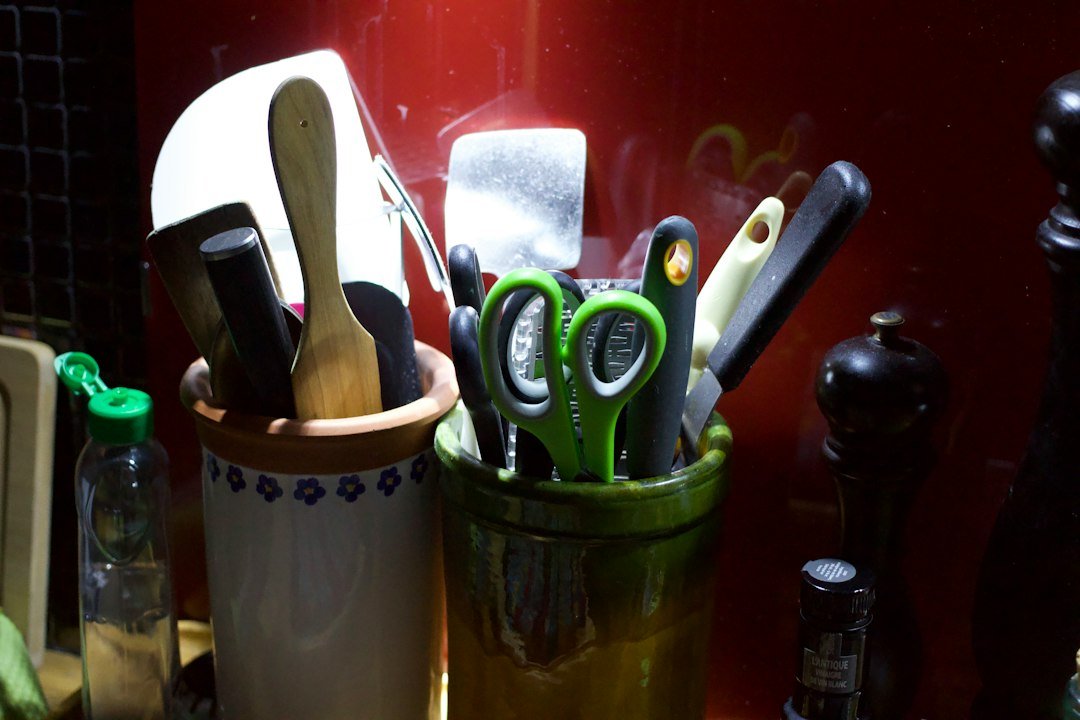
Use jars, shoeboxes, muffin tins, cereal boxes, or clean food tubs to corral small items. For example, glass jars are great for cotton swabs, pens, or hair ties; muffin tins tame desk bits or jewelry in drawers.
4. Create a paper triage system
Instead of a new filing cabinet, assign three spots for paper: action (to do), reference (keep for a season), and recycle/archive. Use a magazine holder, an old shoebox, or a drawer divider for each pile and process weekly.
5. Hang more with what you have
Use existing hooks, nail a spare hanger, or repurpose a belt for scarves to move items off flat surfaces. Even adhesive hooks on the back of doors (ones you already own) free shelf and countertop space.
6. Fold vertically in drawers
Switch from stacking to file-style folding for clothes and linens. This uses the same drawer but improves visibility and access, reducing the impulse to pull everything out.
7. Use the backs of doors and cabinet insides
The inside of cabinet doors is prime real estate for small items—attach a clean shoe organizer, mount a spice rack you already have, or lean slim boards to hold lids and cutting boards upright.
8. Turn a basket into a rotating drop zone
Pick a single basket for phone-charging cords, sunglasses and daily items. At night, everything goes into it. One container prevents scattered surfaces and most people already have a basket somewhere.

9. Batch similar tasks and keep tools nearby
Group tasks—mail, sewing, kid paperwork—and keep the few tools for those tasks in the same place. A small sewing kit in a kitchen drawer or a pencil cup by the family calendar reduces friction and prevents tool drift across the house.
10. Reassign one shelf per person
Give each household member a single shelf or drawer for their daily-use items (hats, gloves, lunch boxes). Ownership makes tidying quicker and avoids the “where did that go?” scramble.
11. Stack smartly in the pantry and fridge
Turn cans and jars so labels face out, and group like items. Use risers you already own (a baking sheet or shallow tray) to create tiers. Removing one redundant product each shopping trip keeps stock from ballooning.
12. Make a “one-in, one-out” rule
For anything new that enters (clothes, gadgets, décor), pick one item to donate or recycle. This simple behavioral rule prevents incremental clutter without new boxes or shelves.
13. Use linen-folding and multi-use furniture
Fold towels and sheets compactly and store them inside pillowcases or on top of dresser drawers to keep linen closets tidy. Use ottomans or benches you already own as temporary storage surfaces for baskets or folded items.
14. Turn everyday objects into organizers
Examples: muffin tins for jewelry, a tension rod in a cabinet to hang spray bottles, or a magazine holder on its side to store cutting boards. Look at what you have and ask “what could this hold?” before buying anything.
15. Schedule short maintenance checks
Instead of marathon decluttering sessions, do 15–20 minute weekly checks for hotspots—desktop, snack cupboard, and the main entryway. Small, consistent maintenance keeps systems working and uses no new storage.
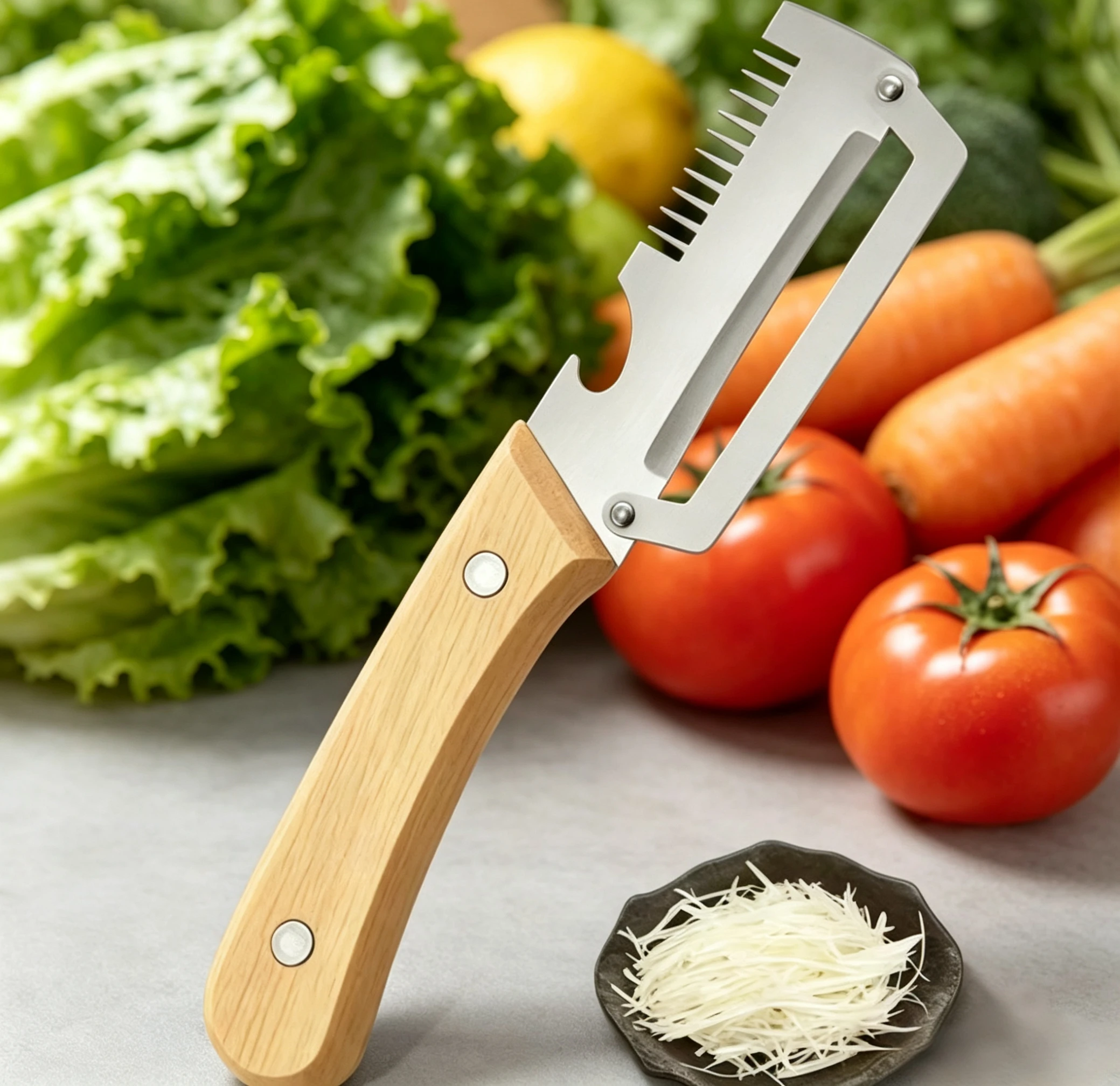
Product suggestion when a single item helps: if your kitchen countertop needs a dedicated dishcloth or sponge spot but you don’t want more racks, a compact stainless shelf that fits over the sink can help organize cleaning tools without new cabinets.
- Have you defined one clear zone in each room?
- Can any item be repurposed instead of buying new?
- Do you have three paper piles (action, reference, recycle)?
- Which one surface will you keep clear for seven days?
- Can you adopt a one-in, one-out rule?
Organizing your home without buying storage often comes down to making better use of existing items, creating simple habits, and claiming functional zones. Small, repeatable actions beat dramatic purchases for long-term order.
Can I really organize without buying anything?
Yes; many gains come from repurposing containers, changing folding methods, and adopting simple routines that use existing furniture and items.
How often should I maintain these systems?
Weekly 15–20 minute checks keep most systems working; add a monthly mini-declutter for accumulations like expired pantry goods or old mail.
What if I live in a very small space?
Prioritize multipurpose furniture, vertical space (doors and cabinet insides), and strict one-in, one-out rules to prevent overflow.
Are there quick replacements worth buying later?
Only if a single, high-impact item (like an over-sink shelf) solves a persistent problem; otherwise, try repurposing first.