

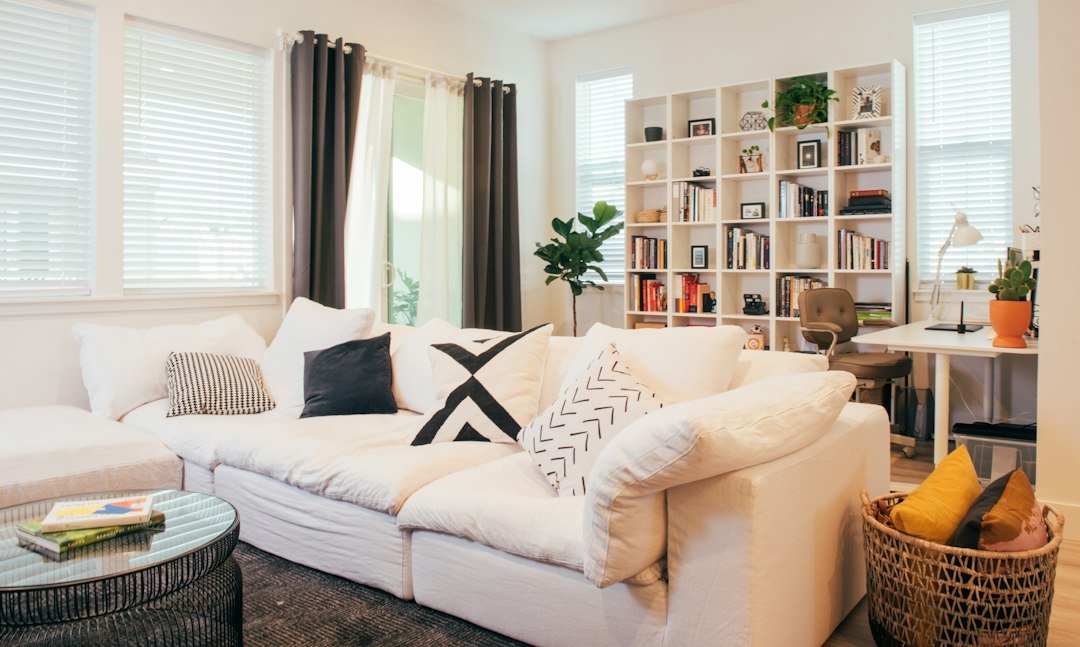
Start with the outcome: a home that works during your day, not against it
Making a home more functional doesn’t require a renovation; it means changing a handful of elements so routines take less time and friction. Focus on small home upgrades that target the moments you repeat daily—leaving the house, preparing meals, cleaning, charging devices and dealing with clutter.
Pick three zones that matter and set simple goals
Before buying anything, choose three areas where small changes will deliver the biggest relief—common choices are the entryway, kitchen and a high-use bathroom or home office. Write one clear goal per zone: for example, “get out the door in five minutes,” “clear 50% of counter clutter,” or “have one visible place for chargers.” Doing this keeps upgrades practical and measurable.
Entryway fixes that save minutes every day
Common problem: shoes, keys and bags scattered near the door create a ten-minute scramble. Small upgrades fix that.
- Install a narrow shoe rack or bench with shoe storage to keep pairs off the floor and provide a place to sit while putting shoes on.
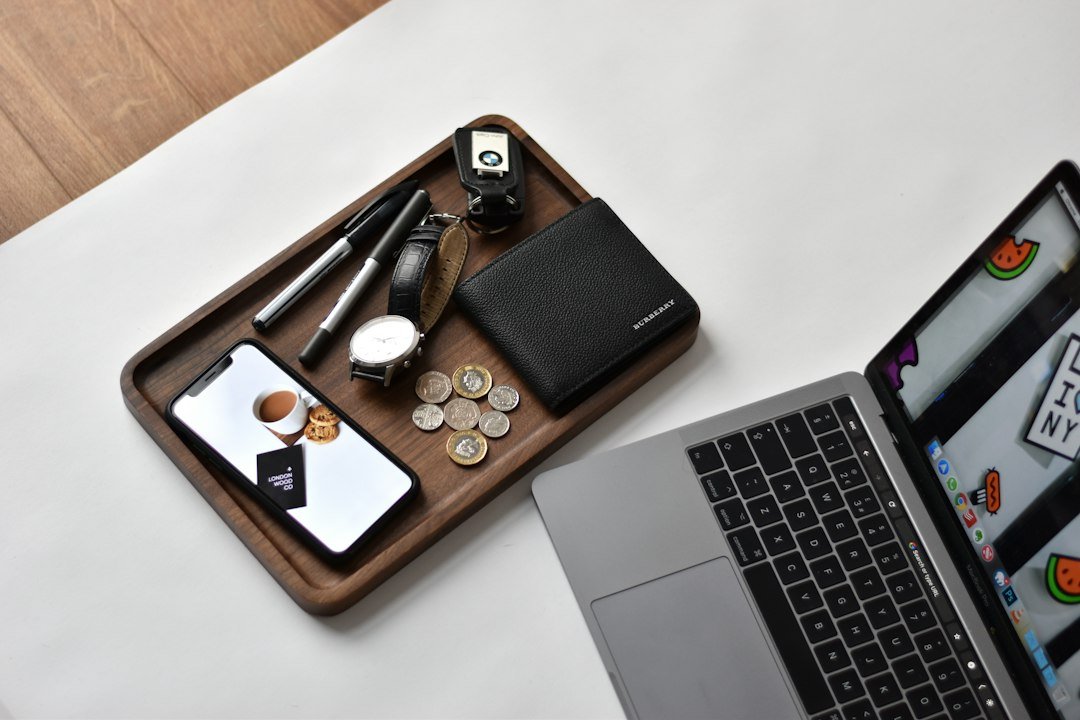
- Add hooks or a wall-mounted organizer for daily bags and a shallow tray for keys and wallets. Place frequently used items at eye level.
- Use labeled baskets or open bins for seasonal items—gloves, umbrellas, reusable bags—so they’re easy to grab.
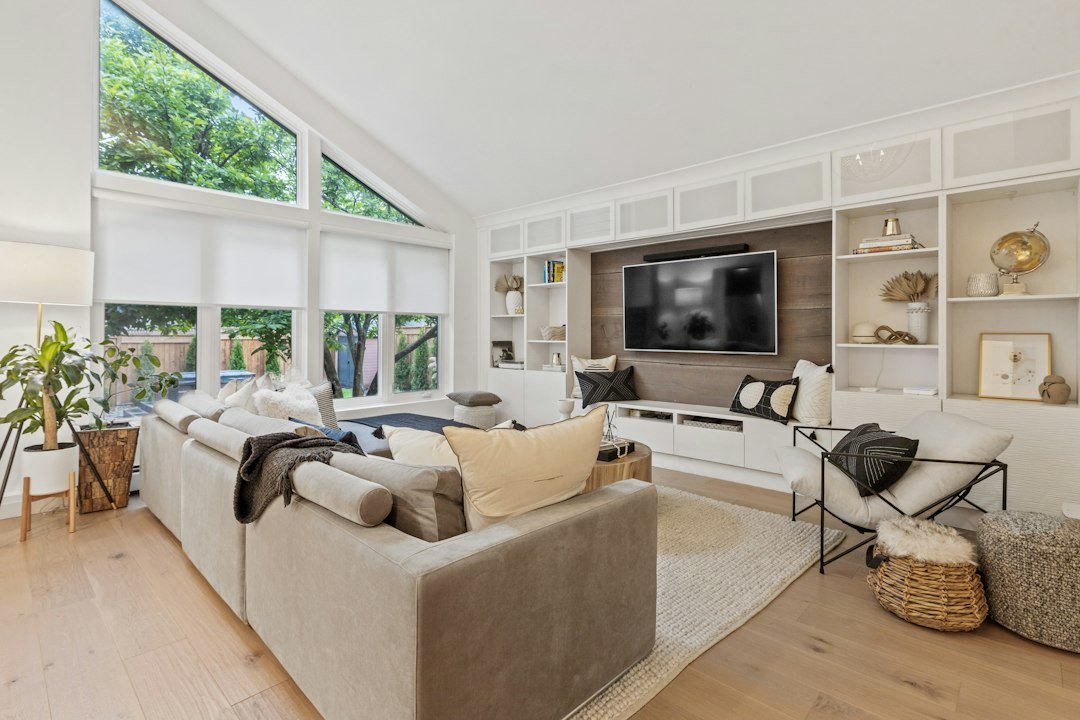
Kitchen small upgrades that make cooking easier
If your goal is to “clear 50% of counter clutter,” attack the problem with a few targeted purchases and a quick reshuffle.
- Corral everyday items on a shallow tray: a cutting board, salt, oil and commonly used utensils. A tray keeps the counter tidy and makes it simple to move things when you need workspace.
- Free horizontal space by using vertical storage: add a magnetic knife strip, hanging rail for utensils, or a small floating shelf for cookbooks and spices.
- Install under-sink pull-out organizers or stackable bins to keep cleaning supplies accessible but out of sight.
Product option: when waterproofing or early leak detection would protect a cabinet or laundry area, consider a compact water leak sensor. It’s a low-effort upgrade that prevents big headaches later.
Bathroom and laundry tweaks for faster routines
Bathrooms benefit from vertical thinking and multi-purpose fixtures.
- Swap a single shelf for a tiered organizer over the toilet or a slim cabinet beside the sink to create distinct zones for daily items, first-aid, and extras.
- Add over-the-door towel hooks or a bar that holds multiple towels without crowding the towel rack.
- Use clear labeled bins inside cabinets to keep toiletries visible and prevent accidental duplicate purchases.
Small furniture swaps that expand function
One piece of furniture can multiply usefulness when chosen carefully.
- Choose a bench with hidden storage for an entryway or mudroom.
- A narrow console table with drawers behind the sofa becomes a charging station and mail drop.
- Consider foldable or nesting pieces—small tables and stools that tuck away when not in use are worth their modest cost in compact homes.
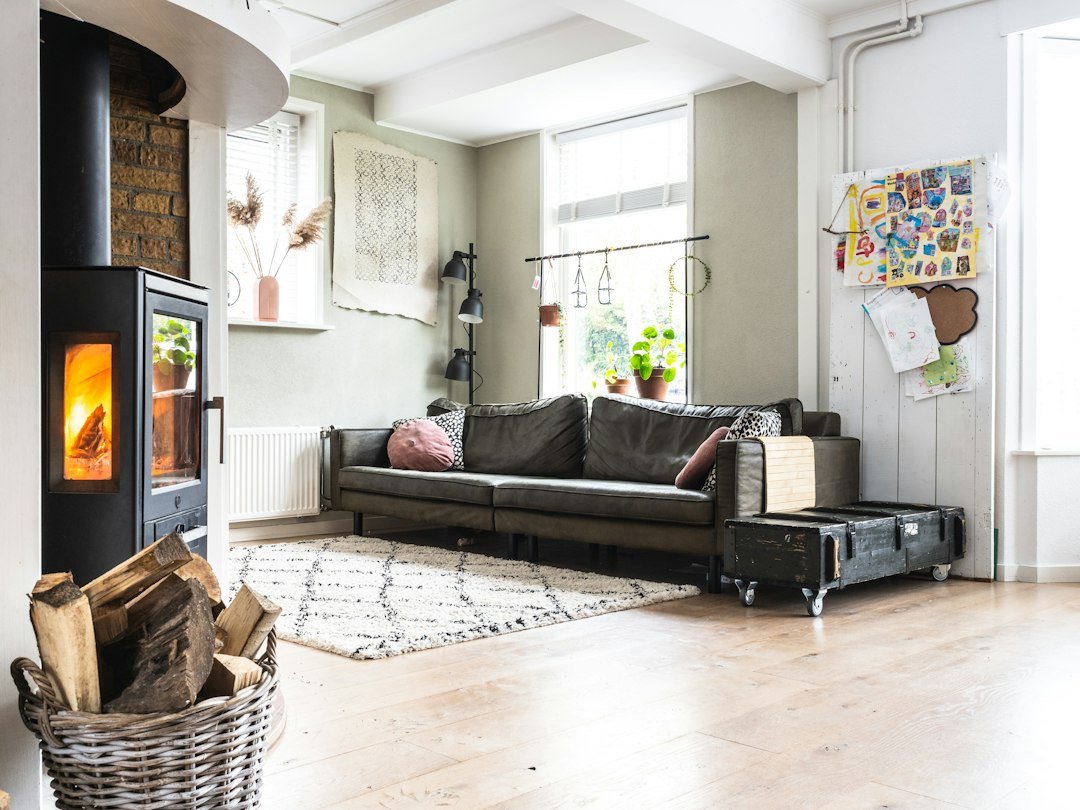
Organize cables, chargers and small electronics once and for all
Device clutter replicates quickly; a single system prevents it.
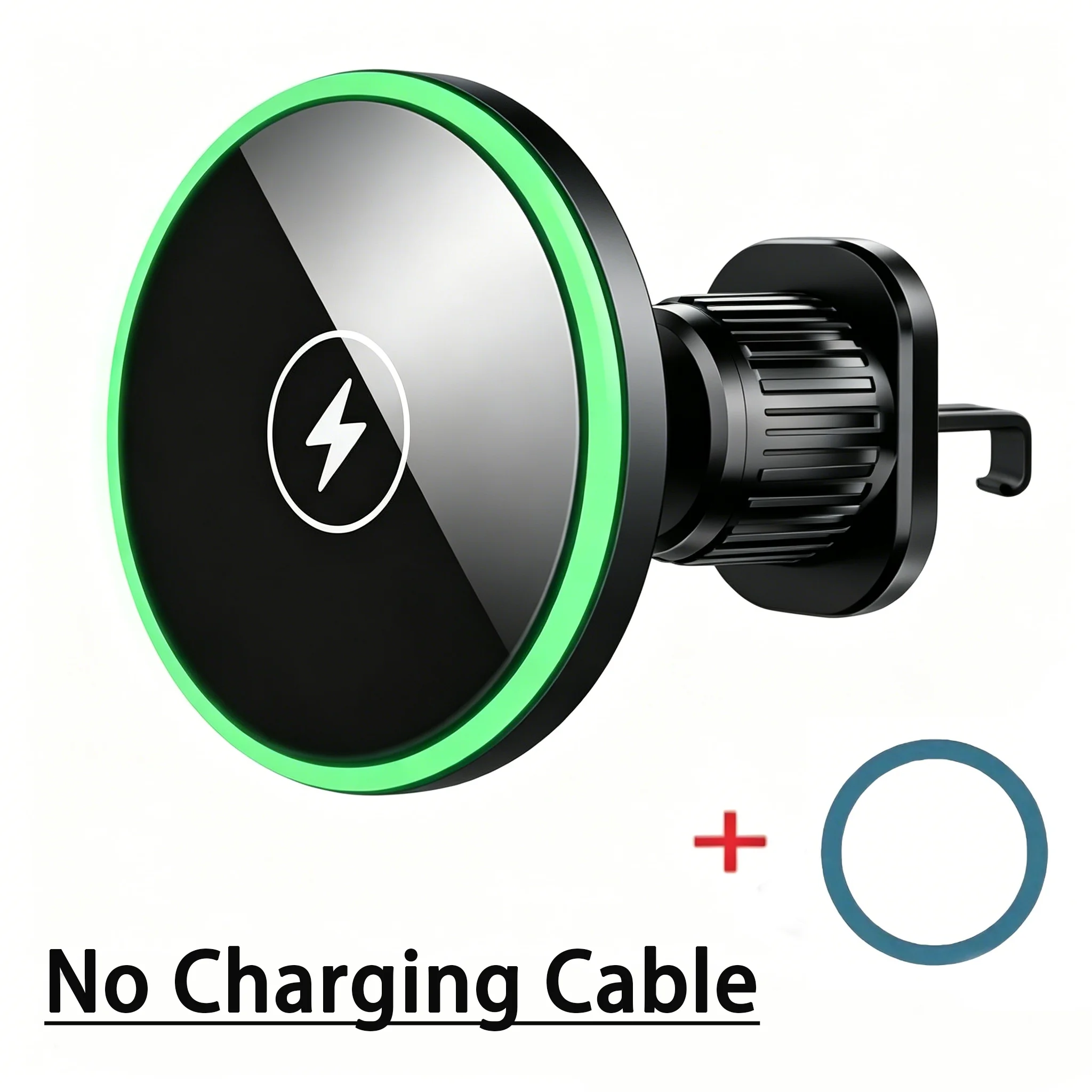
- Create a dedicated charging station—use a shallow tray or small box to house a power strip and route cables through a hole or grommet. Label each cable if several people share the station.
- Use cable ties and a small under-desk or drawer-mounted organizer for longer cables and spare chargers. Keep only the adapters you actually use.
- For living rooms, hide a power strip behind a media console and secure cables with adhesive clips to prevent tangles and tripping hazards.
For more detailed routing ideas, see our guide on organizing cables and chargers.
How to Organize Cables, Chargers and Small Electronics at Home
Make smart upgrades that pay back time, not just money
Some small upgrades have outsized returns: good lighting near task areas, a reliable water leak sensor in basements or next to appliances, and better door hardware that opens smoothly. Prioritize purchases that reduce daily friction.
Quick troubleshooting and adaptations
If an upgrade creates a new annoyance—hooks too high, baskets that never get emptied—roll it back quickly. Small changes are cheap experiments: reposition hooks, swap basket sizes, or relocate trays until the system fits real habits. In rental homes prioritize non-permanent fixes: tension rods, adhesive hooks, and furniture that doesn’t require drilling.
When to invest in bigger changes
If you try several small upgrades and the problem persists, it may signal a layout constraint (narrow entry, cramped kitchen work triangle) that requires a larger fix. Use the small-upgrade phase to document what still trips you up—those notes will guide a contractor or designer and justify the bigger spend.
Room-by-room action plan you can follow this weekend
- Entryway: add one bench or shoe rack, three hooks, and a key tray.
- Kitchen: buy a shallow tray, a magnetic knife strip or rail, and one under-sink organizer.
- Bathroom: install an over-the-toilet shelf, add two towel hooks, and sort toiletries into two clear bins.
- Home tech: set up a single charging station and discard duplicate chargers.
- Choose three priority zones and write one goal for each.
- Buy one organizational item per zone, not three.
- Label storage containers and cables as you set them up.
- Test each change for one week before expanding it.
- Prefer non-permanent fixtures if you rent.
Small home upgrades work best when they target a repeatable problem and are tested in daily life. Make incremental buys that save time or reduce friction, then adjust based on real use rather than assumptions.
How much should I budget for these small upgrades?
Many effective upgrades cost under $50 each—hooks, trays, baskets and small organizers—while sensors or higher-quality furniture may run higher. Start small and reinvest savings from reduced clutter into one bigger item if needed.
Can these upgrades work in a rental?
Yes—use tension rods, adhesive hooks, removable shelving and furniture items that don’t require permanent changes to walls or floors.
What if my family won’t use the new system?
Involve household members when setting goals and pick one visible improvement that benefits them directly—fewer lost keys or faster morning routines increases buy-in.
Which single upgrade gives the biggest return?
A well-placed storage bench or dedicated charging station often provides immediate, visible returns by cutting daily friction in shared spaces.