

What you’ll have when this is done
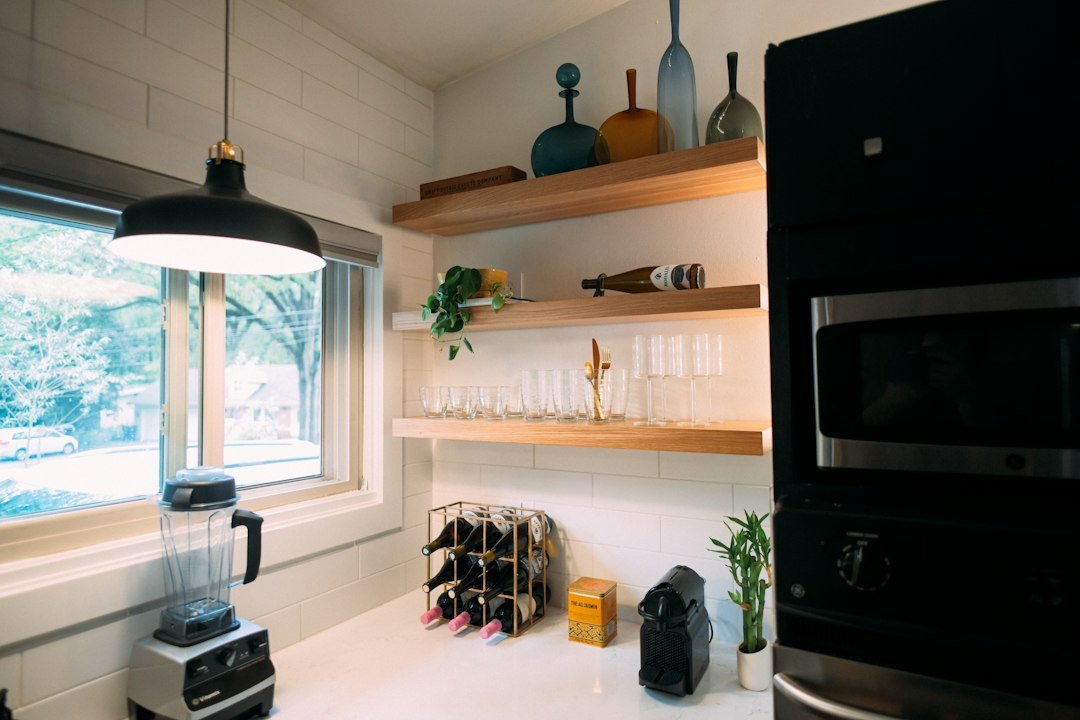
Organize a small kitchen so every frequently used item has a logical home, counters are clear for prep, narrow spaces store useful tools, and the pantry and drawers work without digging. The goal is more usable surface and less time searching.
Plan by outcome: decide three practical goals
Before moving anything, pick three concrete goals you can measure in a week—examples: "clear 70% of the counter permanently," "fit all pots stacked in one cabinet," or "be able to prep on a 2–3 ft clear surface." These goals guide what you keep, what you relocate, and what you buy.
Empty, sort, and set firm keep/skip rules
Work one zone at a time (sink, stove, fridge side, pantry). Empty the cabinet or drawer so you can see volume and dead space. Sort into: daily use, weekly use, seasonal/rare, and broken/replace. A simple rule prevents hesitation: if you haven't used it in 12 months and it isn't a specialty item for a hobby, move it to donate or store elsewhere.
Map functional zones and keep daily items nearest
On a small kitchen, distance matters. Place prep knives, cutting boards, frequently used oils, and seasonings within arm's reach of the main prep surface. Store pots and lids near the stove, plates and glasses near the dishwasher or sink. Label zones mentally or with a temporary sticky note so you can test the flow for a few days and tweak.
Use vertical and hidden space first
Vertical storage multiplies capacity without blocking floor area:
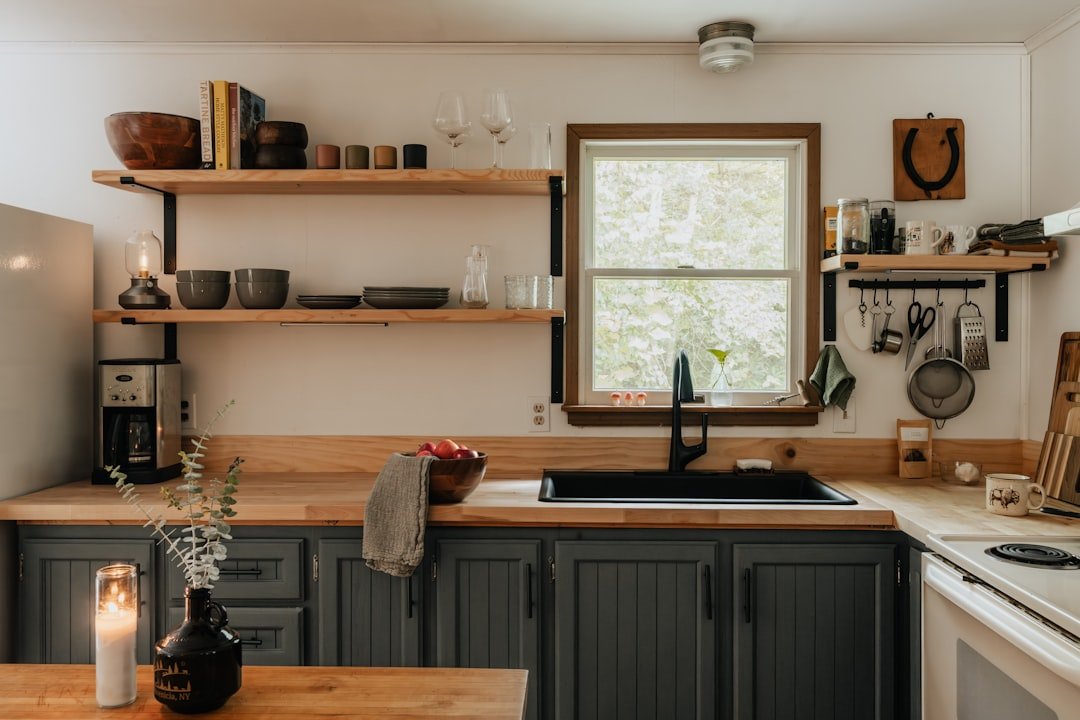
- Install a magnetic knife strip on an empty backsplash or a hanging rail with S-hooks for utensils and mugs.
- Add an open shelf above the sink for baskets that hold less-frequently used items—baskets keep things tidy and easy to slide out.
- Use the inside of cabinet doors: attach slim racks for cutting boards, pot lids, or plastic wrap.
Make drawers work: dividers, nesting, and a single purpose per drawer
Drawers are the most efficient storage in a tight kitchen when configured. Give each drawer a primary job—utensils, prep tools, food wraps, or lids—and use adjustable dividers so items don't shift. Replace mismatched lids by storing lids vertically in a shallow divider; nest pots and pans by size, stacking smaller inside larger with a thin towel between to protect surfaces.
Under-sink and corner problem-solving
Under-sink space is awkward but valuable. Pull-out baskets or tiered trays keep cleaners and sponges accessible. Corner cabinets benefit from lazy Susans or a pair of pull-out trays to avoid the "reach and forget" problem.
Rethink what lives on the counter
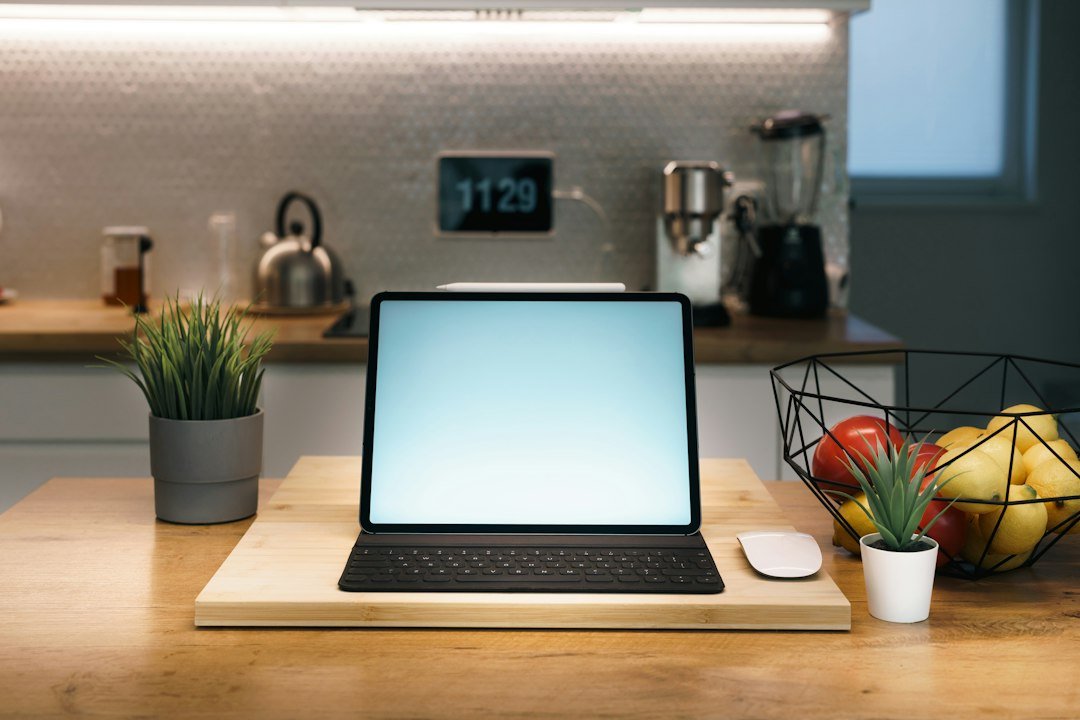
Keep only high-use appliances on counters. Everything else should go into cabinets or a dedicated small appliance garage. A simple test: if you use it less than twice a week, it should be stored. For immediate-access items like a daily coffee maker, create a compact coffee station in one corner so it doesn’t eat prime prep area.
Pantry and open storage: visibility and portion control
In a small kitchen, transparent or labeled containers reduce waste and save space because you buy and store in predictable quantities. Use uniform canisters to stack and free up awkward shelf heights. Reserve highest shelves for bulk or seasonal items and keep everyday snacks and staples at eye level.
Choose one product that multiplies usable space
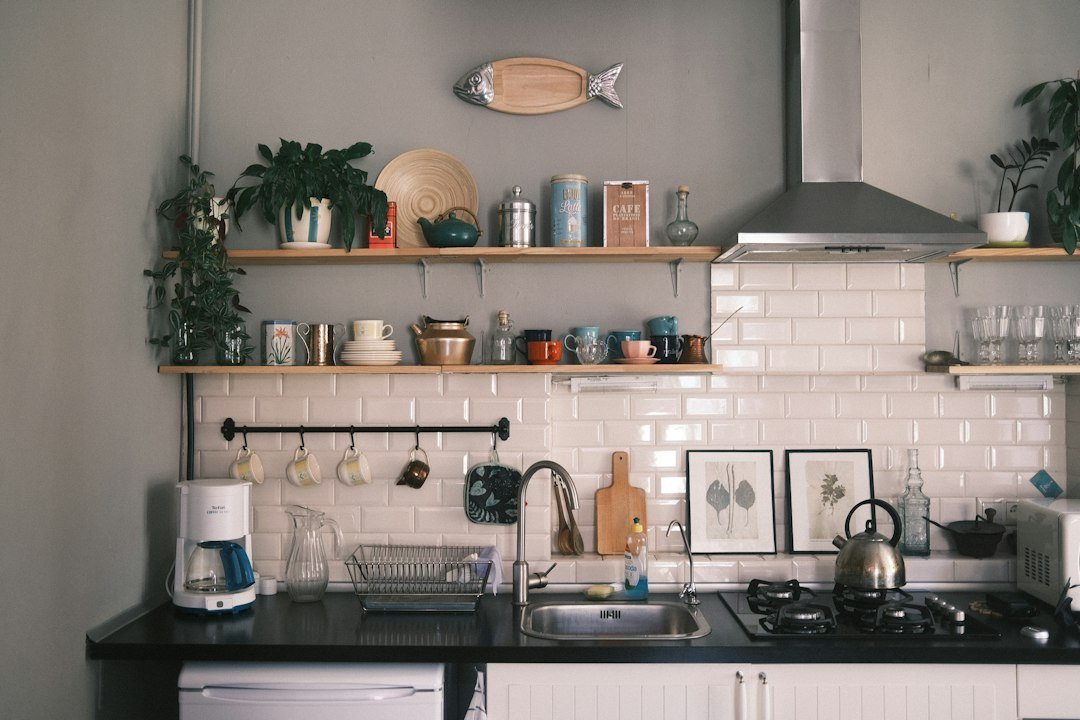
If you’ll buy only one item to improve storage, pick a solution that matches your biggest pain point—drawer chaos, under-sink mess, or lack of hanging space. For many small kitchens a compact shelf or stainless steel wall-mounted shelf above the sink adds drainage and frees counter area.
The listed stainless steel shelf is a strong fit when you need a self-contained, no-major-installation option for storing sponges, soap, and small dishcloths while keeping counters clear.
Troubleshooting common small-kitchen snags
Still feel cluttered after reorganizing?
Map your daily movements for two meals. Anything you regularly reach for but stored far away needs to move into the daily-use zone. Consider removing an item entirely if you don't naturally reach for it during that test.
Pots and lids keep getting mixed up?
Store lids vertically in a narrow divider or on a mounted lid rack; stack pots by nested sets and keep the most-used set in the most accessible cabinet.
Maintenance: a 10-minute weekly reset
Set a weekly 10-minute habit: clear counters, return stray items to their zones, and sweep open shelves. This small investment prevents reversion to chaos and makes the next deep clean much faster.
Useful internal reads
For broader at-home organization ideas and gadget selection, see 15 Easy Ways to Organize Your Home Without Buying More Storage and How to Choose Useful Kitchen Gadgets You’ll Actually Use.
- Pick three measurable goals for the kitchen this week.
- Empty one zone and sort into keep/use/store/donate.
- Install one vertical solution (magnetic strip, shelf, or rail).
- Assign one primary purpose per drawer with dividers.
- Clear counters to one functioning prep area.
- Schedule a 10-minute weekly reset.
Start by deciding what "works" means in your kitchen and clear one prep surface. Use vertical and inside-door space, organize drawers with dividers, and add a single high-impact organizer to fix your biggest bottleneck. Small, repeatable habits keep the gains.
How do I make a small kitchen feel less cramped?
Free up horizontal surfaces, use light-colored storage containers and open shelving sparingly, and store appliances out of sight to create visual breathing room.
What should I prioritize storing on counters?
Keep only items used daily—coffee maker, kettle, or a single cutting board—grouped into a compact station to minimize surface loss.
Are clear jars worth it for pantry organization?
Yes—transparent containers increase visibility, reduce duplicate purchases, and allow stacking that often saves shelf space.
Can a small kitchen work without cabinet renovations?
Absolutely. Strategic decluttering, vertical attachments, drawer dividers, and one or two pull-out organizers typically make a small kitchen far more functional without remodels.
Which small appliance should I get rid of first?
Remove the appliance you use less than twice a week; often this is a specialty device like a smoothie maker or ice cream machine that can be stored offsite when not in season.