

Start from the finished setup you want: a quick, reliable place to drop essentials
An organized entryway should do three things well: contain shoes and outerwear, collect small daily items (keys, wallets, masks), and handle incoming paper or packages without creating a permanent pile. Everything else—matching décor, complicated bins, or an oversized furniture piece—can be ignored until the basic flow works.
Pick the right footprint: measure, map, and commit to zones
Measure the wall or corner you have and sketch a simple plan on paper: leave a walking path of at least 30 inches wide where possible. Decide on three functional zones along that footprint: landing (surface to drop small items), outerwear (hooks/rods for coats and bags), and footwear (bench, cubbies, or tray). Position the zones where they will be most convenient—near the door for quick access and where shoes won’t block traffic.
Choose core furniture that does the most work
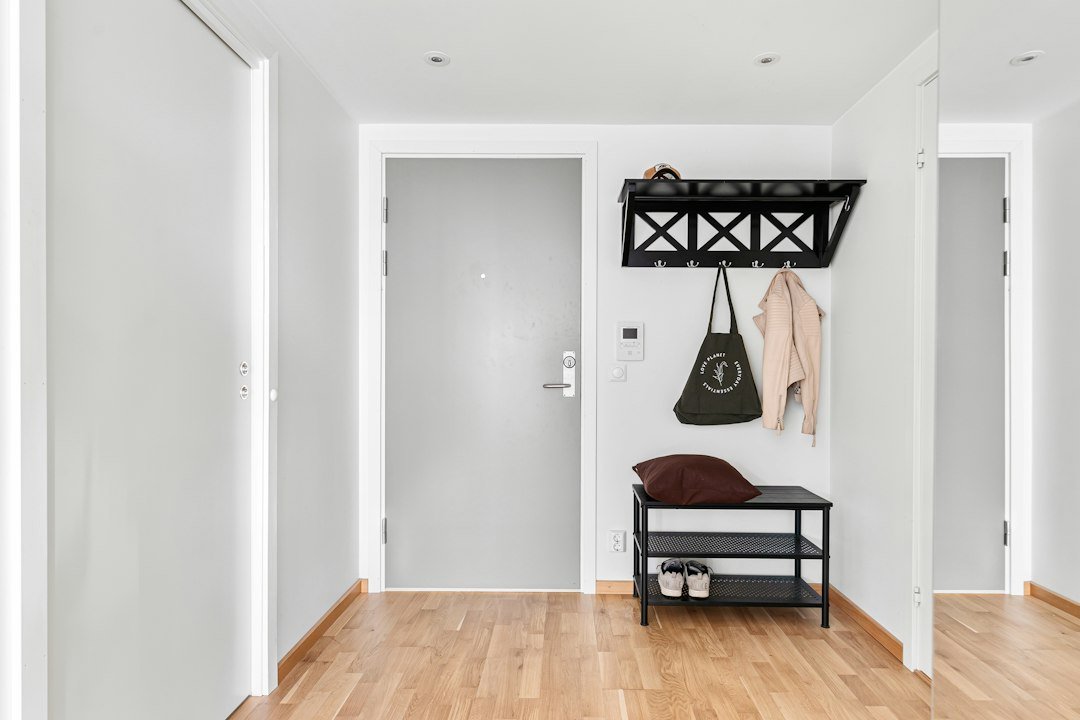
Start with one multipurpose piece rather than lots of single-use items. A small bench with cubbies is ideal because it provides seating to remove shoes and storage underneath. If a bench won’t fit, use a narrow console table with baskets beneath. Prioritize durable, easy-to-clean surfaces for areas that see mud, snow, or wet shoes.
Control shoes: containment, rotation, and quick decisions
Shoes are the single biggest source of entryway clutter. Use a single method that fits your space: under-bench cubbies, stackable shoe bins, or a simple shoe tray. Keep only current-season footwear in the entryway—store off-season shoes elsewhere in labeled boxes or a closet. For families, assign one square or bin per person to simplify retrieval and cleanup.
Create a small-items landing that forgives messy drops
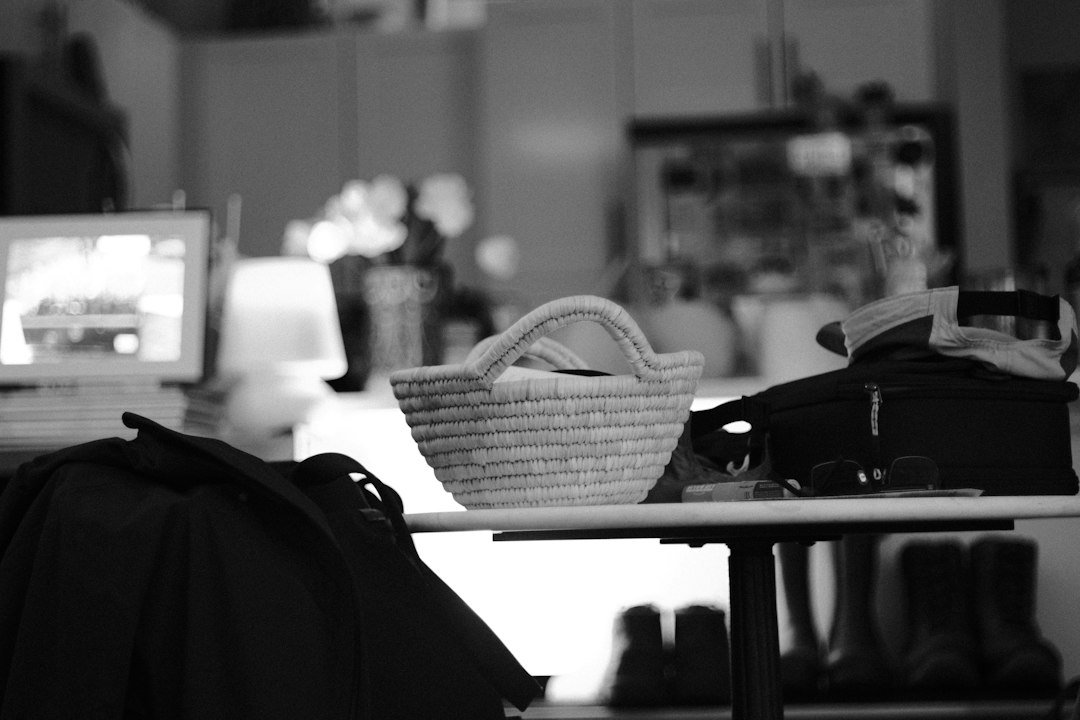
Designate a cleared tabletop surface or shallow tray for keys, wallets, sunglasses, and masks. Use a shallow bowl or segmented tray for change and smaller items so they don’t scatter. For households with more than two people, add a slim mail sorter or wall pocket that separates urgent mail from catalogs and school papers.
Control mail and paper with a one-touch rule
Paper becomes clutter when it’s left for later. Install a slim mail sorter with three compartments: Action (bills, forms), Read (magazines, letters), and To File (documents that need long-term keep). Make it part of the routine: process the Action pile immediately or schedule a 10-minute weekly session to clear it.
Use vertical space: hooks, shelves, and a small command center
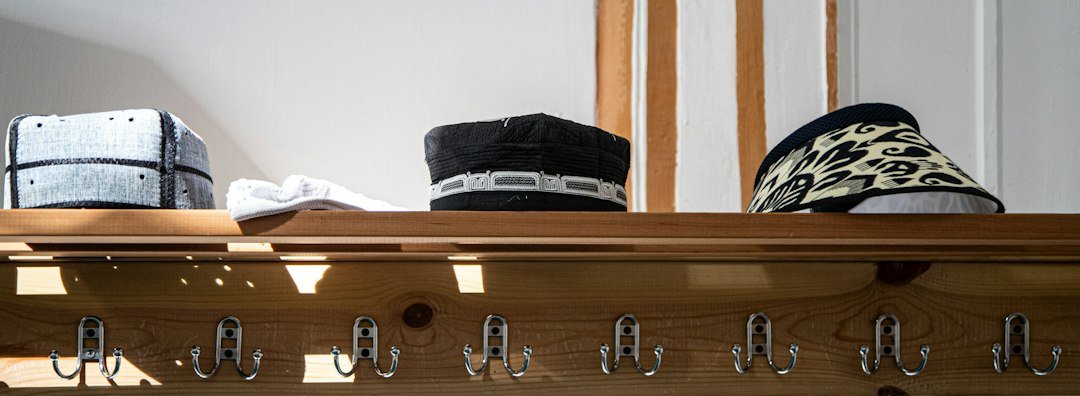
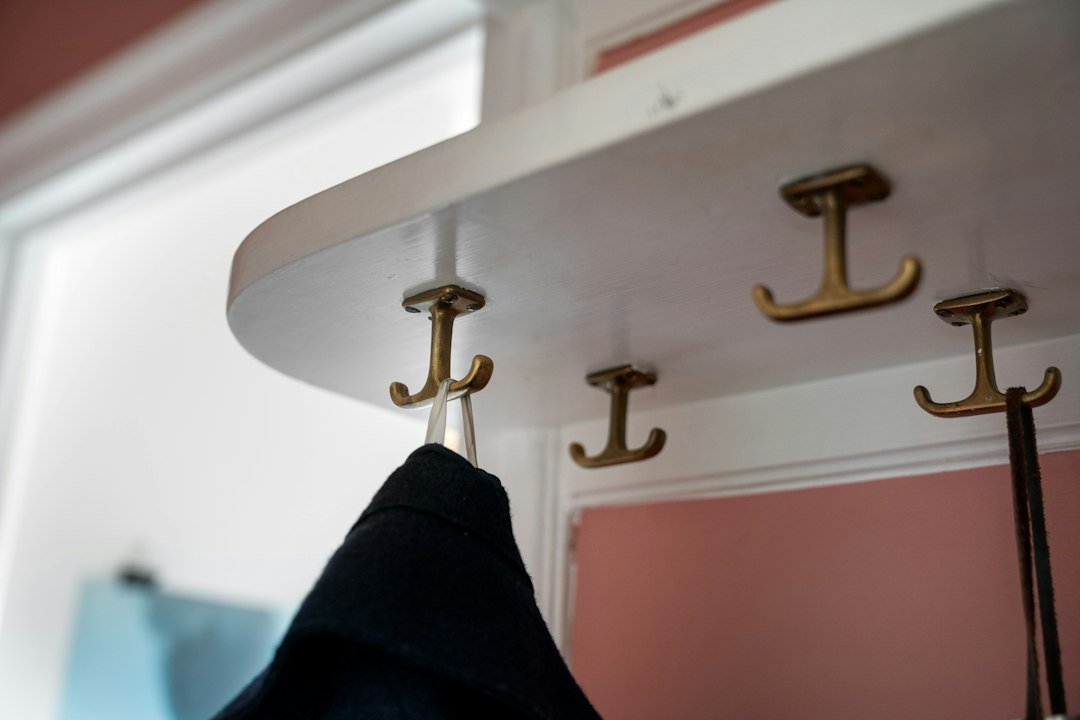
Wall hooks or a pegboard take up little room and keep coats and bags off furniture. Place hooks at two heights—higher for adults’ coats, lower for kids’ backpacks. Add a narrow floating shelf above hooks for sunglasses, transit cards, and a small planter. If you need a family schedule, mount a slim whiteboard or magnetic calendar near the landing.
Make cleaning and maintenance automatic with simple habits
Good systems fail without small habits. Adopt two rules: (1) The three-second return—put anything you took out from the entryway back in place within three seconds of arriving home. (2) A five-minute nightly reset—quickly sweep shoes, empty the landing bowl into pockets, and drop outgoing mail into a bag or mailbox. These micro-habits prevent piles from forming.
Adapt for families, renters, and small spaces
Families: Add labeled baskets for each child’s outerwear and a tray for sports gear. Use a low hook rail for kids so they can hang own items.
Renters: Choose free-standing or removable solutions—leaning hall trees, adhesive hooks, and lightweight benches with storage that won’t damage walls.
Small spaces: Use narrow consoles, wall-mounted shelves, and vertical shoe storage. A single-purpose catchall can be swapped seasonally between the entryway and a closet.
When to buy a solution—and the product that fits most entryways
If you need a product to make the system work, prioritize a bench with storage or a compact console with baskets. For most readers who want a simple, durable option that combines seating and shoe storage, try this practical multipurpose bench.
- Measure your door area and draw a simple zone map.
- Choose one core furniture piece (bench/console) that provides storage and surface space.
- Assign shoe storage method and limit entry shoes to current season.
- Install hooks at two heights and add a small mail sorter.
- Create a nightly 5-minute reset routine and a weekly mail processing time.
- Label baskets or bins for each family member if needed.
An organized entryway relies on clear zones, one multi-use furniture piece, and simple daily habits. Prioritize containment for shoes, a forgiving landing for small items, and a small mail system to stop paper from spreading.
How much space do I need for a functional entryway?
A comfortable path needs about 30 inches; a bench or console width of 12–18 inches works in narrow hallways. Focus on vertical storage if floor space is tight.
What should go in an entryway vs. a closet?
Keep everyday items—current shoes, daily coats, keys, and mail—in the entryway. Reserve off-season gear, bulk storage, and valuables for closets or other rooms.
How do I stop incoming mail from piling up?
Use a three-compartment sorter (Action, Read, To File) and process the Action pile immediately or schedule a weekly 10-minute session to clear it.
What are good renter-friendly fixtures?
Use adhesive hooks, freestanding coat racks, leaning hall trees, and baskets—these avoid wall damage while adding storage and function.
How do I get family members to use the drop zone?
Make it obvious and easy: label bins, keep hooks at reachable heights, and enforce a short nightly reset; the fewer steps required, the more likely everyone will comply.