

Quick answer: Start with usefulness, choice and low-commitment options
If someone is genuinely hard to shop for, pick something useful they can choose their way—think practical tools, curated consumables, experiences, or flexible gift formats (gift cards, subscriptions, mystery boxes). That gets you immediate utility without betting on a single narrow taste. Below are 15 concrete options with why they work and how to pick the right one.
1. Practical gadget that solves a small daily pain
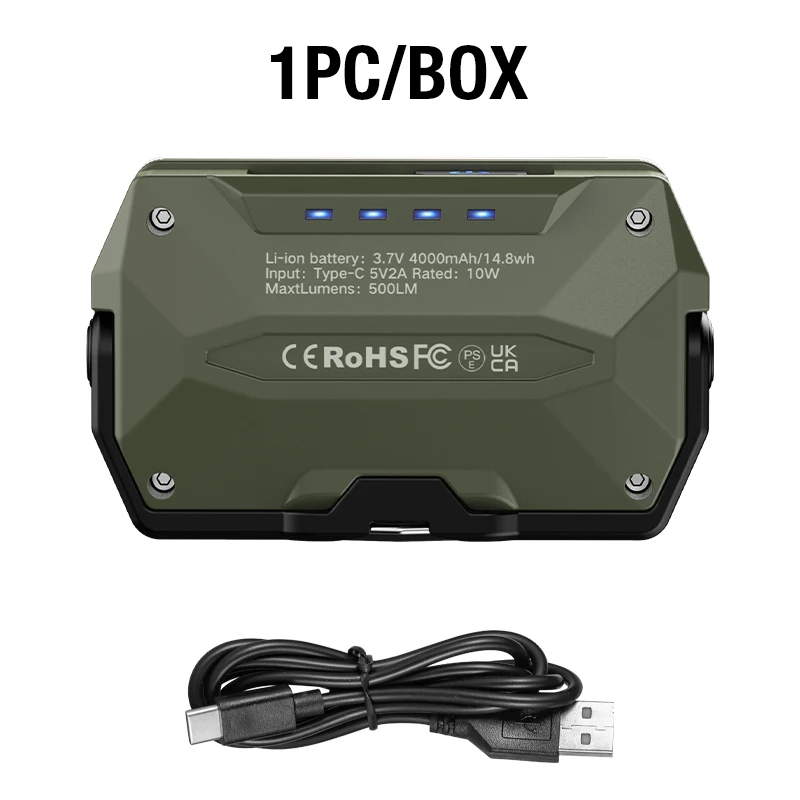
Hard-to-shop-for people often appreciate solutions, not statements. Notice a recurring minor frustration—tangled cords, cluttered desk, weak phone battery—and pick a compact fix. Example: a neat electronics organizer for travel or home keeps chargers and cables tidy and is useful for almost anyone who owns devices.
2. Gift card with a personal twist
Instead of a generic card, choose a merchant or service that matches a known interest and add a small personal touch: a handwritten note suggesting what to try first or a printed itinerary (for restaurants, bookstores, outdoor stores).
3. Consumables they’ll actually use
Food, drink, and self-care consumables remove long-term taste risk. Go for high-quality, single-origin treats or sampler sets so they can try different flavors rather than committing to one jar of something they might dislike.
4. A curated subscription (short-term)
Subscriptions are great when capped—three months of a coffee club, a book box, or a snack service lets them sample without a year-long commitment. Include a note explaining how to swap or pause the subscription to reduce perceived risk.
5. Experience gifts tailored to their pace
Tickets to a concert, a cooking class, or a guided hike create memories without adding clutter. Pick something flexible (multiple date options or a gift certificate) so scheduling isn’t a barrier.
6. Tools for a hobby they already have
If they enjoy a hobby, small upgrades—quality yarn for knitters, a leather-bound sketchbook for artists, or better polishing cloths for collectors—are appreciated because they’re clearly useful and show you pay attention.
7. A minimalist accessory
For minimalists, lean toward understated, multipurpose items: a slim wallet, a low-profile scarf, or a classic stainless-steel insulated mug. Neutral colors and simple designs reduce the chance of clashing with their taste.
8. Home comfort that’s universally welcome
Small comfort items—soft throw blanket, aromatic soy candle, or noise-masking device—offer everyday luxury without being polarizing. Check for allergies or pet sensitivities before choosing scented items.
9. A “pick-for-me” voucher
Give them the fun of choosing with a voucher you create: set a small budget, explain it’s for any one item under that price, and include a playful hint (color, category). It’s better than a standard gift card because it feels personal.
10. Something for the home that serves many tastes
Neutral decorative pieces—wooden trivet, simple plant pot, or a timeless picture frame—work well. Functional home items win if you choose good materials and understated design.
11. An item that helps them save time
Time-saving gifts often hit the mark: a meal-kit delivery credit, a quality tea infuser that speeds brewing, or a subscription to a grocery delivery service. These reduce friction, which many busy people value more than flashy presents.
12. A novelty that’s genuinely useful
Find clever novelties that double as practical tools: a compact head massager, a unique egg holder for kitchen fans, or a tactile stress-relief toy. They show thought without assuming specific tastes.
13. A small luxury they wouldn’t buy themselves
Splurge on a modest but indulgent item—artisan chocolate, a silk sleep mask, or a quality grooming product. Frictionless luxury is often memorable for people who avoid shopping for themselves.

14. Help with decision fatigue: a bundled sampler
Samplers let recipients test different styles or flavors. For someone indecisive, a curated set (tea sampler, spice kit, tiny plants) is better than a single full-sized item they might not like.
15. A pet-friendly surprise (if they have animals)
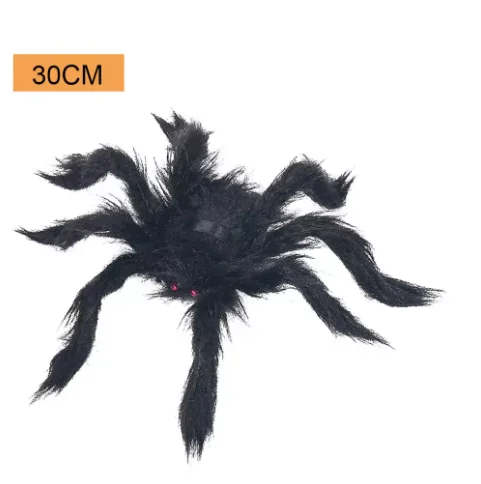
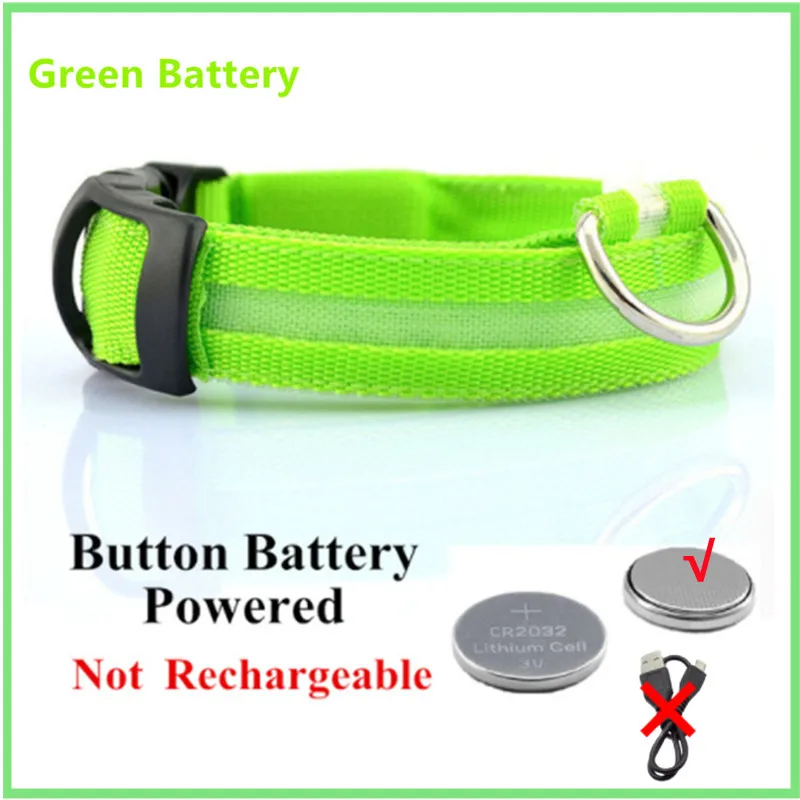
Pet owners love well-chosen items for their animals. A festive pet toy or a small interactive companion toy works because it’s low risk and creates immediate joy for both the owner and the pet.
How to choose from these options—three practical filters
1) Use the “daily friction” test: what small annoyance could you remove for them? 2) Apply the “try-a-bit” rule: prefer samplers or short subscriptions over one full item when in doubt. 3) Match commitment level: avoid long-term subscriptions or large decor pieces for people who like freedom to change.
Wrapping and presentation that reduce regret
Keep packaging simple and informative: include a short note about why you chose the gift and any relevant logistics (how to redeem, return window, or product care). For gift cards or subscriptions, print a decorative instruction card so the recipient doesn’t miss how to use it.

Order time-sensitive items—tickets and curated subscriptions—early. For last-minute needs, consumables, digital vouchers, or small local experiences are reliably fast options.
- Identify one small daily annoyance or hobby they enjoy.
- Decide between physical item, consumable, or experience.
- Choose flexible options (samplers, short subscriptions, open-date tickets).
- Include clear redemption or return instructions with the gift.
- Avoid highly personal style items unless you’re certain of tastes.
When someone is hard to shop for, aim for usefulness, low commitment, or shared experiences. Small thoughtful choices—samplers, practical organizers, short subscriptions, or an experience—reduce risk and increase the chance they’ll love the gift.
What if I still don’t know their hobbies?
Choose universal utility: consumables, a neutral home comfort, or a gift card for a popular retailer. Add a personal note to make it feel thoughtful.
Are experiences better than physical gifts?
They can be, especially for people who dislike clutter. Prefer flexible-date experiences or vouchers to accommodate schedules.
How do I avoid giving something they’ll return?
Pick items with broad appeal, include a receipt or easy return details, or choose a sample/short-term subscription to reduce long-term commitment.
Is a gift card lazy?
No—when tailored and presented with a personal suggestion it’s practical and appreciated, particularly by those who prefer to choose for themselves.
How much should I spend?
Spend what’s comfortable; thoughtful selection matters more than price. Focus on usefulness and presentation for maximum impact.