

Why small, reliable tools save hours over a year
After caring for pets long enough you learn that convenience isn’t a luxury—it prevents mistakes. The right small items remove friction around feeding, grooming, and basic health checks so good routines actually stick. Below are ten pet essentials chosen for clear, daily value and a few realistic trade-offs so you can pick what fits your life and your animal.
1. Accurate measuring scoop or spoon
Portion control starts with a simple tool. Use a transparent measuring spoon (50–100 ml for most kibble) so you dispense the same amount every time. This prevents weight creep from “eyeballing” and makes medication dosing consistent when mixed into food.
2. Collapsible travel water bowl
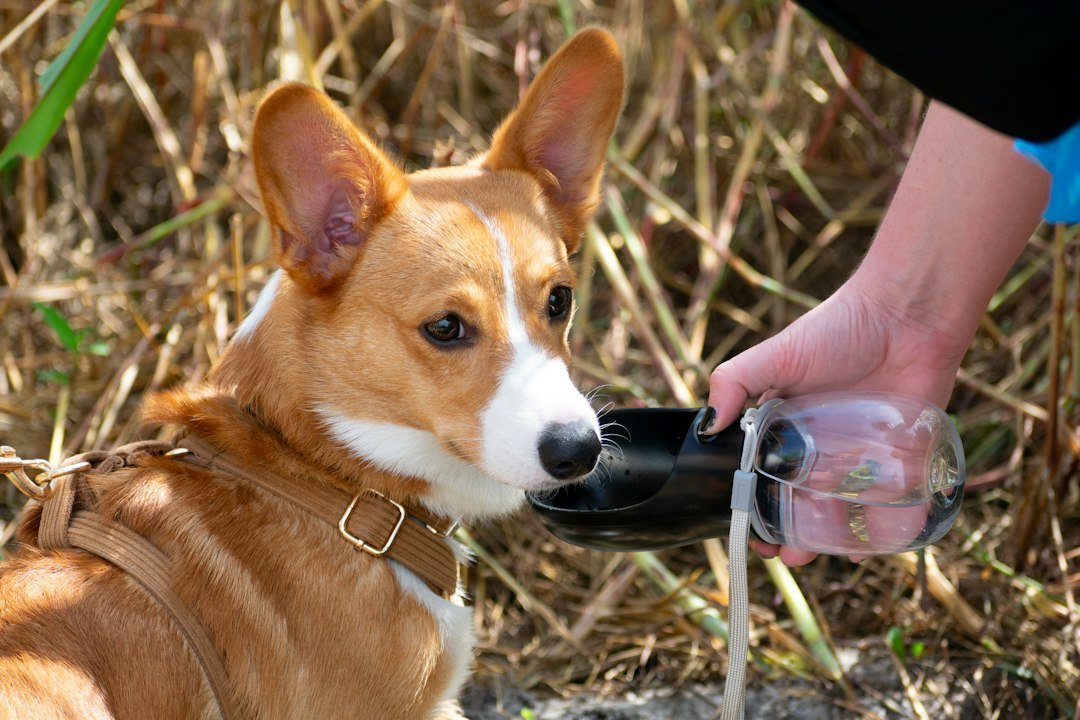
A lightweight silicon bowl folds into a pocket and keeps outings safe—particularly in summer when hydration matters. Look for bowls with a small rim so nervous drinkers don’t spill and material that’s dishwasher-safe for quick cleaning after walks or park trips.
3. Multi-use grooming brush
A quality soft-to-medium bristle brush works for most short- and medium-haired dogs and many cats. Brush twice weekly to reduce shedding, distribute natural oils, and catch mats early. For thick double-coats consider adding a de-shedding tool, but for many pets a single good brush cuts grooming time and vet visits for related skin issues.
4. Pet-safe dental aid
Oral health is often overlooked. Daily toothbrushing is ideal, but if that’s unrealistic, enzyme dental powder or an oral care spray can reduce plaque buildup between brushings. These products are easy to sprinkle or mist and are particularly useful for anxious pets who won’t tolerate a brush every day.

5. Sturdy leash and well-fitting harness
Leashes fail at the worst times. Choose a leash with solid hardware and a harness that distributes pressure across the chest rather than the throat—this is safer for excited pullers and small-breed dogs. If walks include variable terrain, a hands-free or traffic-handle option adds control for quick transitions near roads.
6. Litter mat and scoop (for cats)
For indoor cats, a dense rubber litter mat traps tracked litter and reduces daily sweeping. Pair it with a comfortable, long-handled scoop—scooping daily is the single best hygiene upgrade for multi-cat households and limits odor without aggressive chemicals.
7. Portable basic first-aid kit
Small incidents happen: cuts, foreign material in paws, or upset stomachs. A compact kit with gauze, antiseptic wipes, styptic powder, bandage tape, and tweezers covers most minor emergencies. Add your vet’s contact and the nearest 24/7 clinic in the kit.
8. Measuring and storage for food
Air-tight containers that hold a week or more of kibble keep food fresh and make scooping easier. If you feed multiple pets or have a specific portion plan, label containers and pair them with the measuring scoop. For households juggling schedules, consider an automatic feeder that dispenses measured portions on a timetable.

9. Interactive toys that match play style
Toys reduce boredom and destructive behavior, but they must match your pet’s play style. Chewers need durable rubber toys; retrievers prefer balls and fetch toys; cats often benefit from small wand toys and puzzle feeders. Rotate toys weekly to keep interest high—this small habit extends each toy’s useful life and saves you money.
10. Simple grooming and care checklist
Tools are only as good as the habits paired with them. Create a one-page checklist for daily, weekly, and monthly tasks—feeding times, tooth care, brushing, nail checks, ear inspections, and flea/tick treatments. Post it near your food storage or on the fridge so consistent care becomes a family routine.
With these ten essentials you’ll remove the friction points that turn small caregiving tasks into missed steps. Over time those small changes mean fewer vet visits, less mess in the house, and more predictable days for both you and your pet.
- Buy a transparent measuring spoon and store it with food.
- Choose one portable bowl and one grooming tool that fit your pet’s size.
- Prepare a compact first-aid kit and list emergency vet contacts.
- Set up airtight food storage and label portions for each pet.
- Create and post a weekly grooming/health checklist in a visible spot.
Small, well-chosen items streamline everyday pet care. Prioritize measuring, hydration, basic dental care, grooming, and safety tools; build simple routines around them and expand as needed.
How often should I brush my dog or cat?
Most short- to medium-haired pets do well with brushing 2–3 times per week; heavy shedders benefit from daily brushing during seasonal blowouts. Adjust based on coat type and matting tendencies.
Can dental powder replace toothbrushing?
Dental powder helps between brushings but isn’t a full substitute for regular brushing; use it as a practical complement when brushing isn’t possible daily.
Which automatic feeder is worth considering?
Choose one that dispenses measured portions, has a secure lid to protect kibble, and fits your feeding schedule. Automatic feeders are especially helpful for portion control or irregular work hours.
What belongs in a pet first-aid kit?
Include gauze, adhesive tape, antiseptic wipes, tweezers, styptic powder, disposable gloves, and a copy of vaccination and medication records plus vet contact info.
How do I pick toys that last?
Match durability to the pet’s bite strength: rubber or reinforced rope for strong chewers; softer plush for gentle players; interactive puzzle toys for mentally active pets.