

Quick answer: 11 practical cleaning tools that actually save time
If you want fewer minutes spent cleaning and fewer repeat sessions, focus on tools that reduce friction, reach, or guesswork. Here are 11 practical cleaning tools that will save time and where each fits best: microfiber cloths, spray bottle, extendable duster, handheld vacuum, squeegee, flat mop with washable pad, cordless electric scrubber, grout brush, silicone scrubbers and sponges, reusable mop bucket with wringer, and a pet hair removal tool.
Why these tools beat expensive cleaners or fancier gadgets
Time savings come from three effects: better mechanical action (removing soil faster), smarter reach/access (so you don’t disassemble or climb awkwardly), and easier maintenance (so the tool is ready next time). Chemical cleaners are useful but won’t save time if you still spend ages scrubbing; conversely, the right tool often halves the work or lets one person finish a task quickly.
List and practical uses
- Microfiber cloths — Best for dusting, polishing, and wiping spills. They trap dust instead of pushing it around and work damp or dry. Keep several color-coded ones (kitchen, bathroom, glass) to avoid cross-contamination.
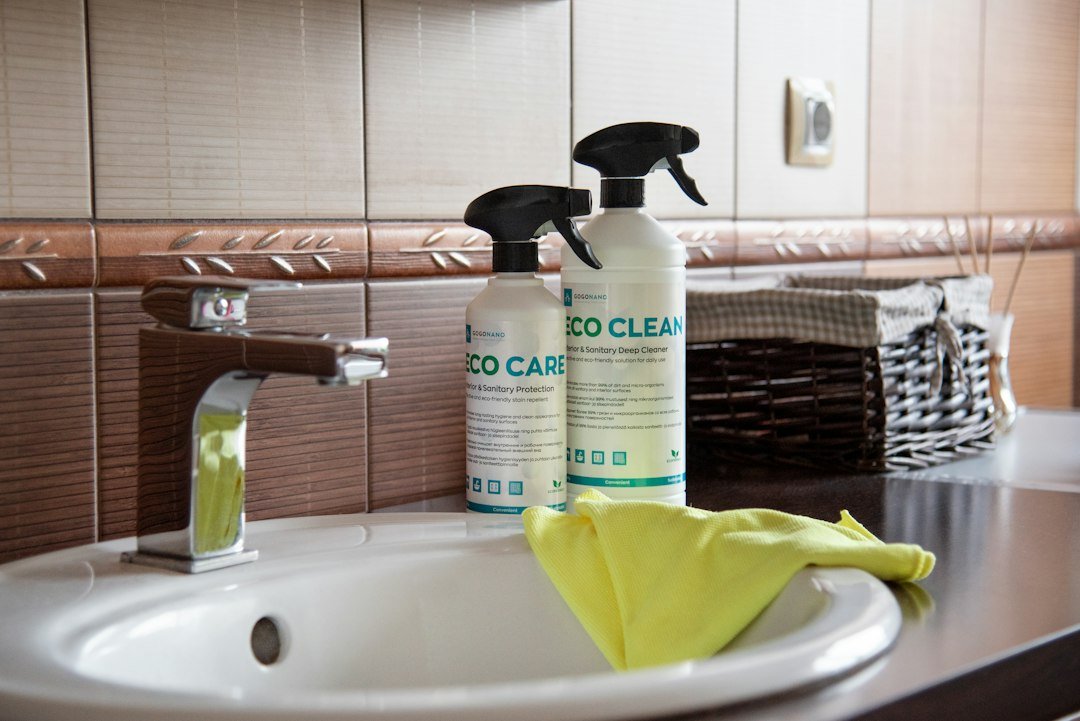
- Spray bottle with dilutions marked — Pre-mix common cleaners (all-purpose, vinegar solution, glass cleaner) in labeled bottles so you skip measuring. A fine mist reduces runoff and the need for extra wiping.
- Extendable duster — Reaches ceiling fans, high shelves, and tops of cabinets without a ladder. Use an electrostatic head for quick dust pickup; save the feather dusters for delicate décor only.
- Handheld cordless vacuum — For quick couch, stairs, and car cleanups. A brush attachment for upholstery and pet hair dramatically shortens prep before guests arrive.
- Squeegee (for shower and windows) — Doing a quick squeegee after showering prevents soap scum and hard water spots, cutting deep-clean frequency. Same idea for windows—squeegeeing wet glass beats repeated wiping.
- Flat mop with washable microfiber pad — Faster than wringing a string mop and better for hard floors. Pads are machine-washable; keep two so one can dry between uses.
- Cordless electric scrubber — For grout, tubs, and stuck-on messes where hand-scrubbing takes ages. Short bursts of power remove buildup quickly with minimal elbow grease.
- Grout brush or narrow, stiff-bristle brush — For spot-cleaning grout lines and between tiles. A small brush gets into joints a sponge can’t reach and is indispensable for bathrooms.
- Silicone scrubbers and non-scratch sponges — Durable, quick to rinse, and less smelly than traditional sponges. Great for dishes, stovetops, and delicate surfaces that need gentle abrasion.
- Reusable mop bucket with wringer — Speeds mopping on larger floors because you don’t stop to wring or change water constantly. Use microfiber pads and change water when visibly dirty.
- Pet hair removal tool — If you have pets, a dedicated hair remover (grooming glove, rubber brush, or spray-mist comb) cuts vacuum time and reduces the need for deep cleaning carpets and upholstery.
When not to rely on a tool: exceptions and trade-offs
Some tasks still need elbow grease or stronger chemistry: heavy mold, years of mineral deposits, and large-scale restorations. A cordless scrubber helps, but if grout has structural damage or grout is missing, replacement—not scrubbing—is the fix. Also, battery-powered devices save time but add charging and replacement costs; keep a basic manual backup for when batteries die.
Small process changes that compound time savings
Adopt a two-minute daily tidy: quick squeegee in the shower + wipe counters with a microfiber cloth + sweep high-traffic areas. Small, consistent efforts mean the tools work on light dirt rather than heavy buildup, so cleaning sessions stay short.
One product that makes a measurable difference (and why)
If you live with shedding pets or frequent upholstery use, a pet hair removal tool is a high-impact buy: it reduces the number of full vacuum sessions and leaves fabric in better condition. For this need, consider the pet spray hair comb which combines grooming and hair capture—use it before vacuuming to cut vacuum time.
Maintenance tips so tools keep saving time
- Wash microfiber pads on low-heat and avoid fabric softener (it reduces absorbency).
- Empty and rinse handheld vacuums after each heavy use to keep suction strong.
- Charge cordless devices regularly and store batteries where they won’t get cold or hot.
- Replace silicone scrubbers that tear; they’re cheap and cut washing time when intact.
- Identify your biggest recurring cleaning task (pet hair, grout, glass, etc.).
- Choose one tool that directly reduces time on that task.
- Confirm replacement parts or washable pads are readily available.
- Set a simple daily 2-minute routine that uses the tool.
Prioritize tools that reduce scrubbing time, extend your reach safely, or prevent buildup. Start with microfiber cloths, a squeegee, and one problem-focused tool (pet hair tool or scrubber) and build from there.
How many microfiber cloths should I keep?
Keep at least six: two for the kitchen (one for counters, one for glass), two for bathrooms, and two extras for miscellaneous tasks so you always have a clean one available.
Are electric scrubbers worth it?
If you regularly clean grout, tubs, or food-baked-on messes, electric scrubbers save significant time and effort; for occasional light cleaning, a manual brush may be enough.
Can a squeegee really reduce cleaning frequency?
Yes—using a squeegee on wet glass or shower walls right after use prevents mineral and soap buildup, meaning fewer deep cleans.
Which tool should a pet owner buy first?
Start with a pet hair removal grooming tool or brush; removing hair before it settles reduces vacuuming time and keeps upholstery cleaner longer.
How do I keep cleaning tools sanitary?
Rinse tools after use, air-dry completely, and launder washable items regularly; replace disposable or degraded items promptly to avoid spreading germs.